
Supreme Court Warns High Courts Against Adverse Remarks on Judges, Sets Aside Bail Cancellation After 8 Years
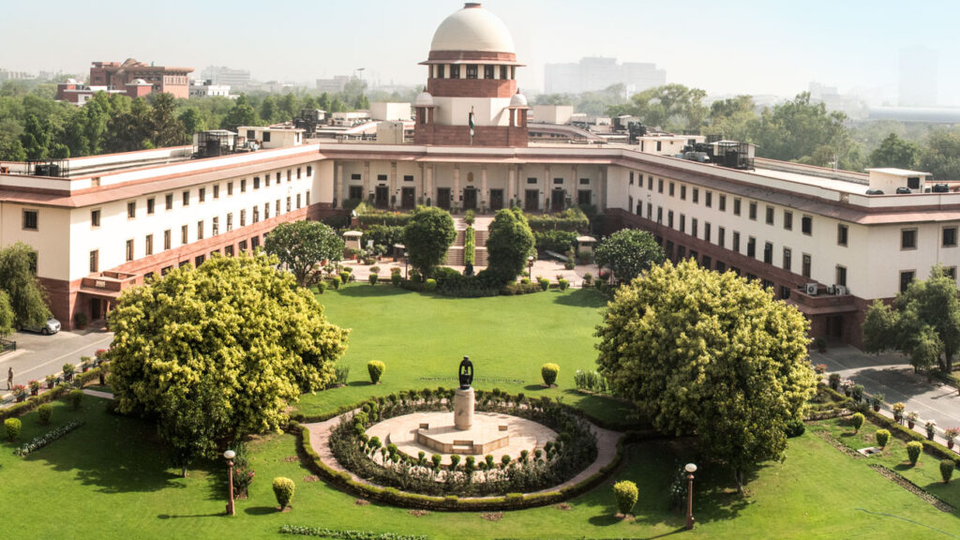
In a significant ruling reinforcing judicial discipline and institutional integrity, the Supreme Court of India has cautioned High Courts against the growing trend of passing disparaging remarks against judicial officers while exercising supervisory or appellate jurisdiction. The Court stressed that High Courts must act as “guardians” of the district judiciary rather than undermine their morale through adverse observations.
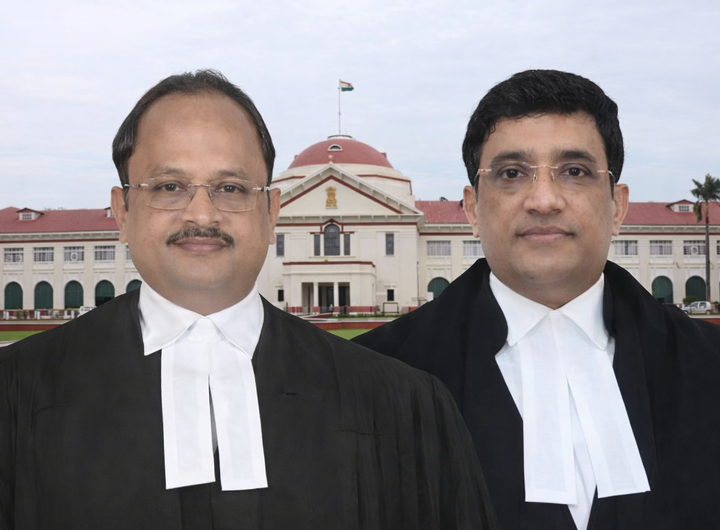
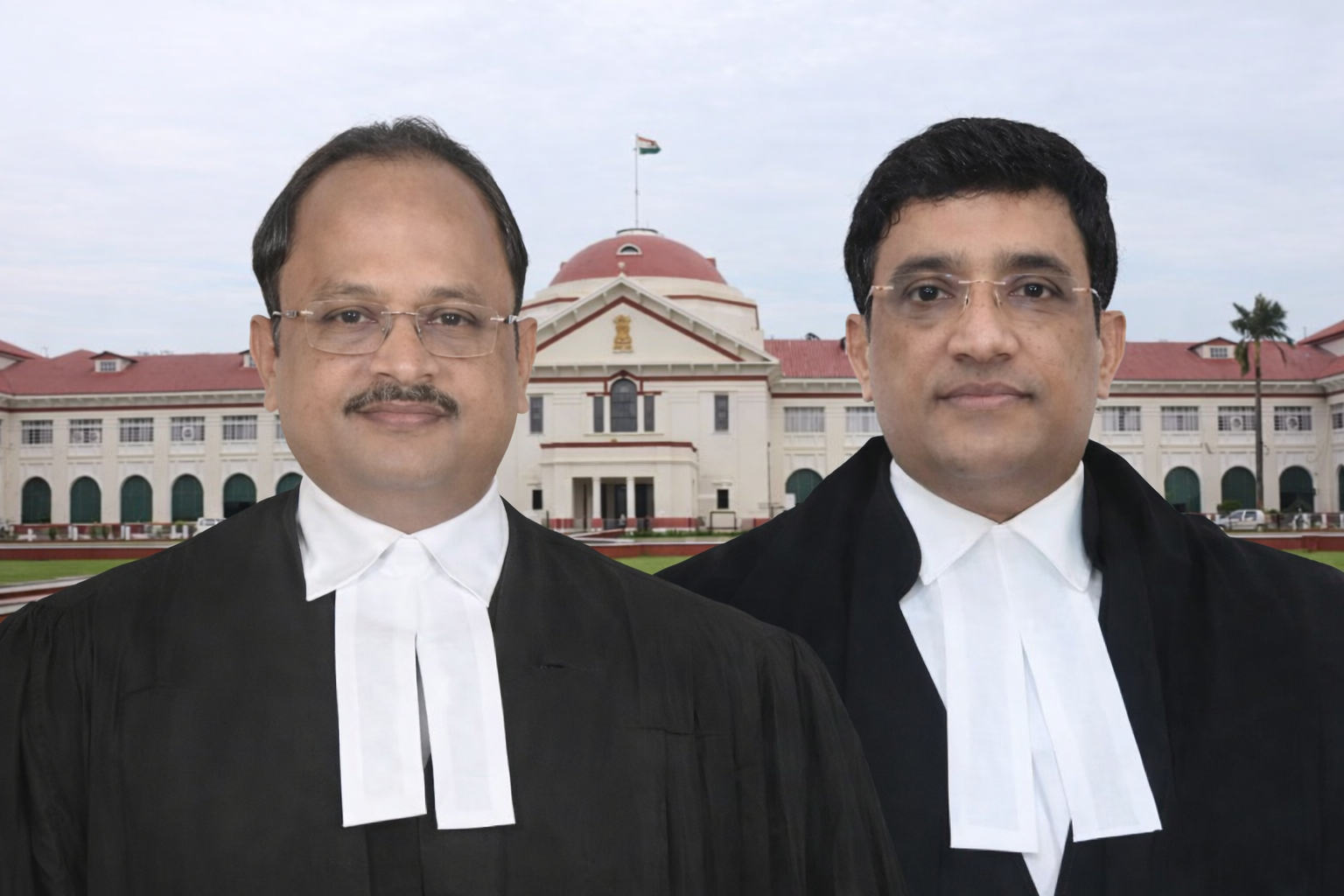
A Bench comprising Justice Vikram Nath and Justice Sandeep Mehta made these observations while deciding a bail matter in Shuvendu Saha v. State of West Bengal, arising out of a tenancy dispute.
Court Flags ‘Discordant Trend’ in High Courts
The Supreme Court noted with concern that High Courts have increasingly been recording strictures against subordinate judicial officers in their orders. It observed:
“Before parting, we may record a discordant note that it has become a recent trend to castigate Judicial Officers and record adverse remarks/strictures against them in judicial orders passed by the High Court in the exercise of supervisory, appellate or revisional jurisdiction. The High Court, being a Court of record in the State, is expected to act as the guardian of the Officers in district judiciary. While finding infirmities in the order passed by a Judicial Officer, the immediate reaction ought not to be to make adverse or disparaging observations against the concerned Judicial Officer in a judicial dispensation.”
The Bench underscored that such remarks can have serious repercussions, not only for individual officers but also for the institutional morale of the judiciary.
“Such disparaging remarks/strictures may ruin the career of the Judicial Officer in addition to demoralising the district judiciary as a whole. Power of superintendence conferred upon the High Courts by Article 227 of the Constitution of India ought not to be used as a tool of oppression but rather as a mechanism for nurturing and guiding the Judicial Officers in the State.”
Background: Bail Cancelled After Eight Years
The case originated from a tenancy dispute where the complainant initially filed a civil suit in 2016, later withdrawn in 2017 after an amicable settlement. Subsequently, a criminal complaint was filed alleging offences such as cheating and criminal breach of trust.
The accused was arrested in May 2018 and granted bail by a Magistrate, which was later confirmed. However, in March 2026, the Calcutta High Court set aside the bail order in revision proceedings, citing procedural irregularities and lack of proper reasoning.
Table of Contents
Supreme Court: High Court Order ‘Perverse’
The Supreme Court strongly criticised the High Court’s decision, holding that cancelling bail after nearly eight years on technical grounds was legally unsustainable and amounted to a “perverse” exercise of jurisdiction.
The Court reiterated that cancellation of bail directly affects personal liberty and cannot be undertaken mechanically without cogent and overwhelming circumstances, such as misuse of liberty or interference with justice. It also noted that the dispute had predominantly civil overtones, which the High Court failed to consider.
Importantly, the apex court expunged adverse remarks made against the Magistrate, including directions to record such remarks in the officer’s Annual Confidential Report (ACR), terming them “wholly misplaced and uncalled for.”
Call for Institutional Mechanisms
To address deficiencies in trial court orders without harming judicial officers, the Court recommended adopting internal administrative mechanisms already in place in some High Courts. It observed:
“In some high courts an in-house mechanism is already in place to take care of a situation, whenever any flaw or infirmity is noted in any order passed by the trial judge by the high court while exercising the supervisory jurisdiction.”
“The observations of the Hon’ble Judge/Bench on the merits or quality of the order or the proceedings of the presiding officer of the trial Court can be noted in a remark slip.”
“This would be placed before the administrative judge or the Chief Justice of the High Court, as the case may be, for necessary follow-up action.”
“It would be highly advisable if a similar practice of recording remarks on various facets of the judgments/orders passed by officers in the district judiciary is adopted by all high courts for appropriate action on the administrative side.”
The Court directed that its judgment be circulated to all High Courts for necessary consideration and follow-up, signalling a push toward systemic reform in judicial accountability.
READ JUDGMENT:
ALSO READ:- “Supreme Court Declines PIL Seeking 50% Reservation for Women in Judicial Services and Government Panels.”
LATEST POSTS: