
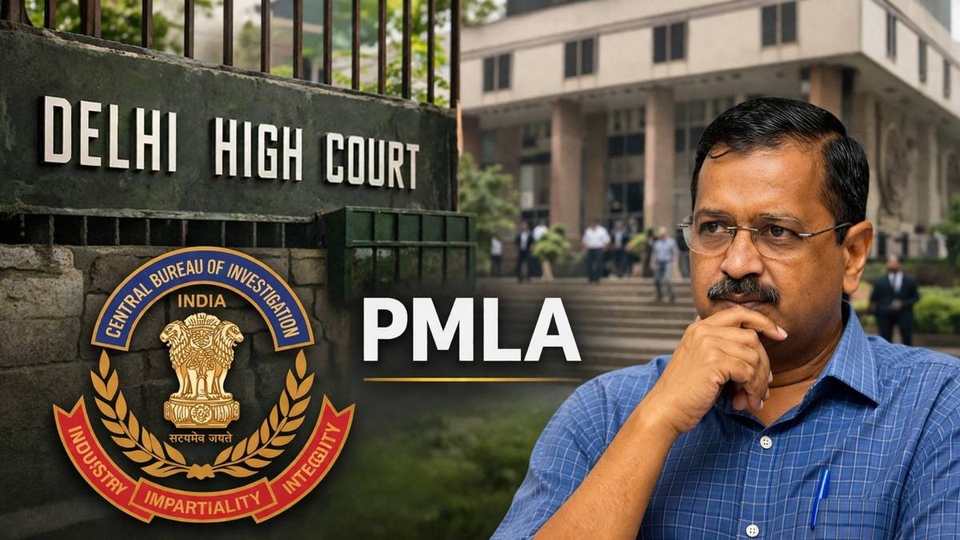
Delhi High Court Reserves Verdict on Arvind Kejriwal’s Recusal Plea in Excise Policy Case
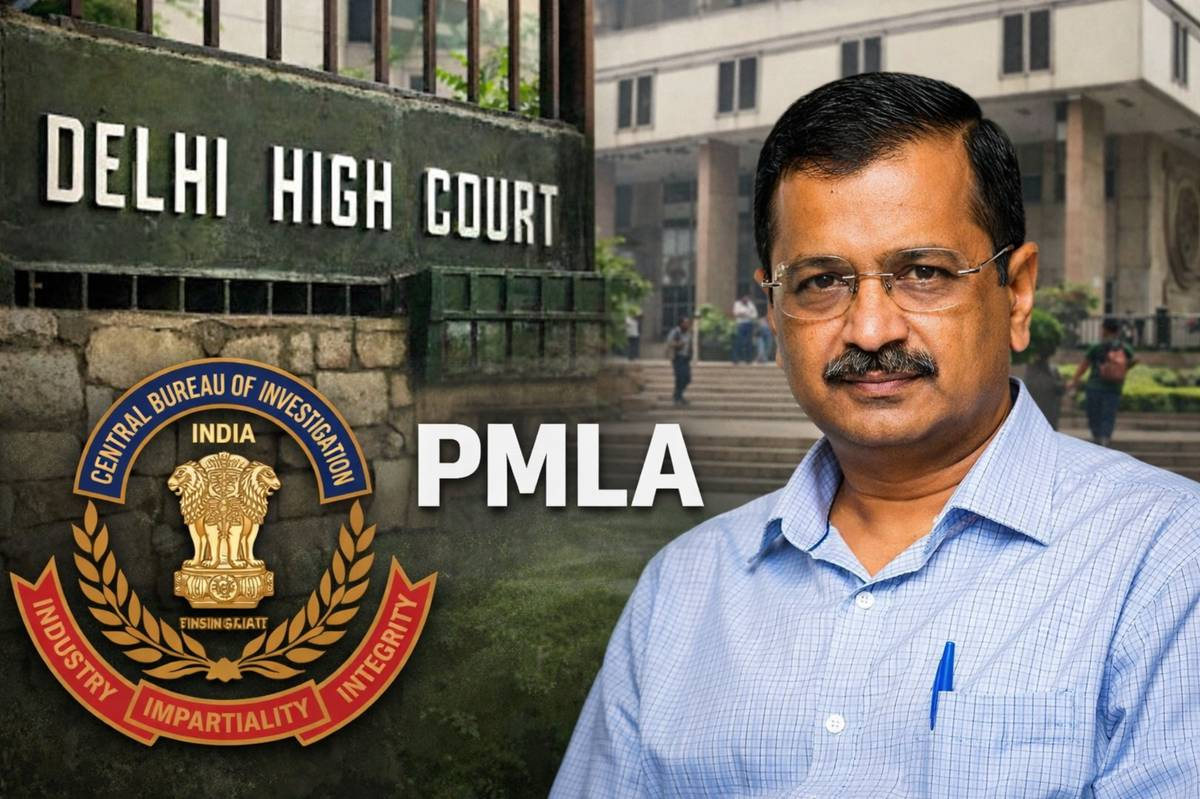
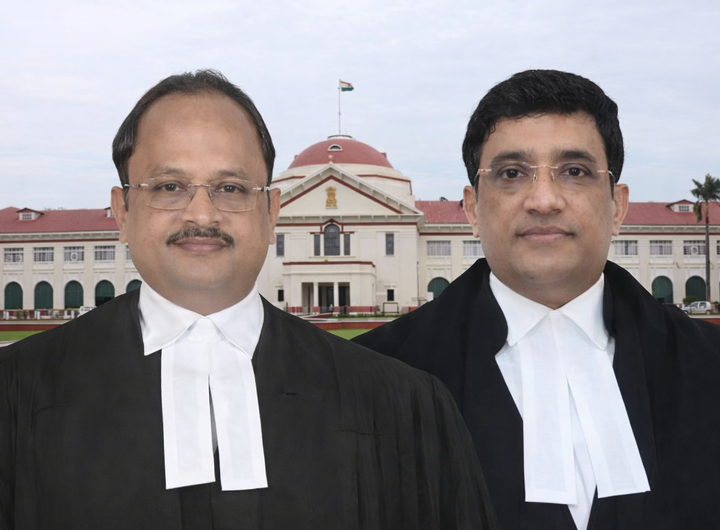
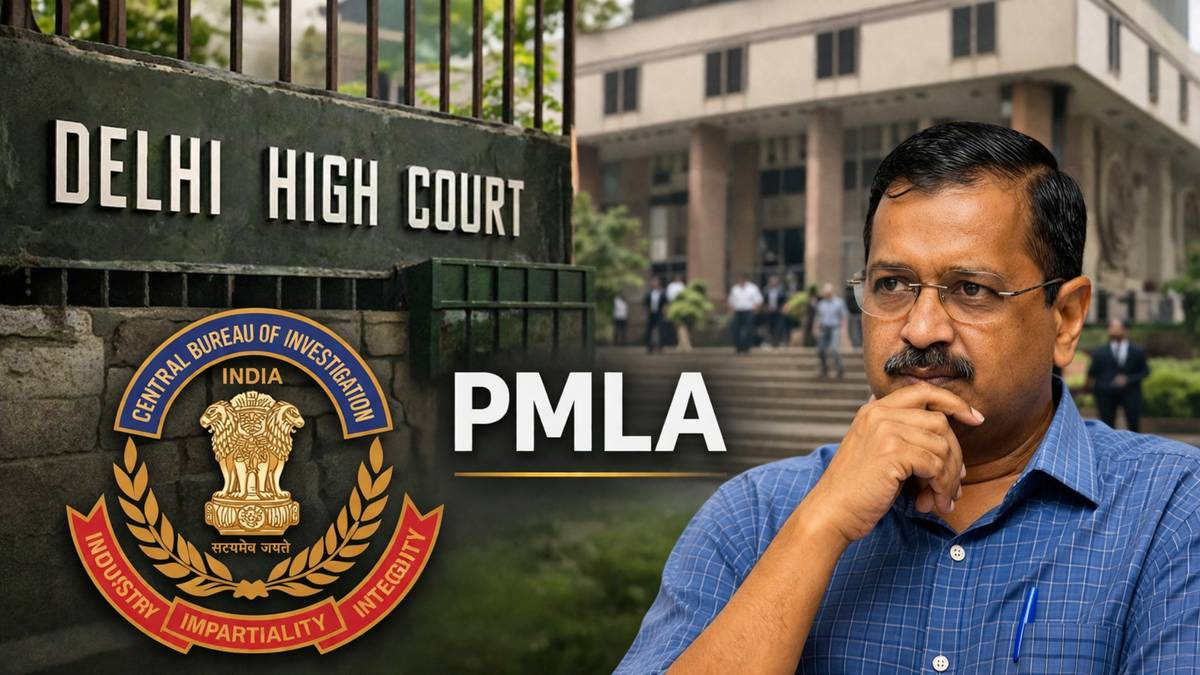
In the Delhi excise policy case, the Delhi High Court on April 13, 2026, reserved its verdict on a recusal application filed by AAP Chief Arvind Kejriwal seeking that Justice Swarana Kanta Sharma step aside from hearing the matter. The application arises from the Central Bureau of Investigation’s (CBI) challenge to a trial court order dated February 27, 2026, which discharged Kejriwal and 22 others.
Background of the Case
The trial court had discharged Arvind Kejriwal and other accused after extensive hearings and examination of voluminous records. Subsequently, the CBI challenged this order before the High Court. On March 9, Justice Sharma issued notice and passed interim directions, including staying proceedings against the investigating officer and deferring related proceedings under the Prevention of Money Laundering Act (PMLA).
Following this, Arvind Kejriwal and co-accused, including Manish Sisodia and others, sought recusal of Justice Sharma, alleging bias based on her prior orders and conduct.
Kejriwal’s Arguments: “Reasonable Apprehension of Bias”
Appearing in person, Kejriwal argued that there exists a “reasonable apprehension” that he would not receive a fair hearing. He alleged a pattern in the court’s approach:
“Ek trend observe karne ko mil raha hai ki every single averment of CBI and ED has been endorsed… Whenever they argue, it is accepted, and orders are passed in their favour. Every prayer has been turned into a judgment.”
He further claimed:
“CBI aur ED ne bola ye sab corrupt hain to court ne bola ye corrupt hain.”
Kejriwal emphasized that the issue was not the judge’s integrity but the perception of fairness:
“So the law is simple. It is not whether the judge is actually biased but whether litigant has an apprehension.”
Relying on precedents such as Ranjith Thakur v Union of India and the High Court’s decision in Satyendar Jain’s case, he stated:
“The question is not about the uprightness of the judge, but about the apprehension in the mind of the litigant.”
He also strongly objected to the March 9 order, stating:
“Ex parte… bina kisi ki sunwai kiye… is court ne order pass kiya ki prima facie the order is erroneous.”
Adding to his concerns, he remarked:
“Jab 9 March ka order aaya to mera dil baith gaya. I had serious apprehensions about bias.”
Kejriwal also pointed to Justice Sharma’s attendance at events organized by Akhil Bharatiya Adhivakta Parishad (ABAP), stating:
“Aapke 4 baar jaane se mere mind m apprehension paida hota hai ki will I get justice.”
CBI’s Opposition: “Dangerous Precedent”
Opposing the plea, Solicitor General Tushar Mehta argued that allowing such recusal applications would undermine judicial independence:
“If judges start recusing, will any judge in this country be able to decide impartially?”
He termed the application as an attempt to pressure the judiciary:
“Fear is what the respondents are trying to instil. This recusal should be rejected with the strictness it deserves.”
Mehta further argued that the threshold for recusal is extremely high and cannot be based on “surmises, conjectures and unreasonable apprehension.”
On the allegation regarding ABAP events, he stated:
“Adhivakta Parishad is a bar association… One of the judges who granted Kejriwal bail (also) attended the function of Adhivakta Parishad.”
He also defended the March 9 order, asserting that due process was followed and that advance copies were served to the respondents’ counsel.
Court’s Observations and Reservation of Verdict
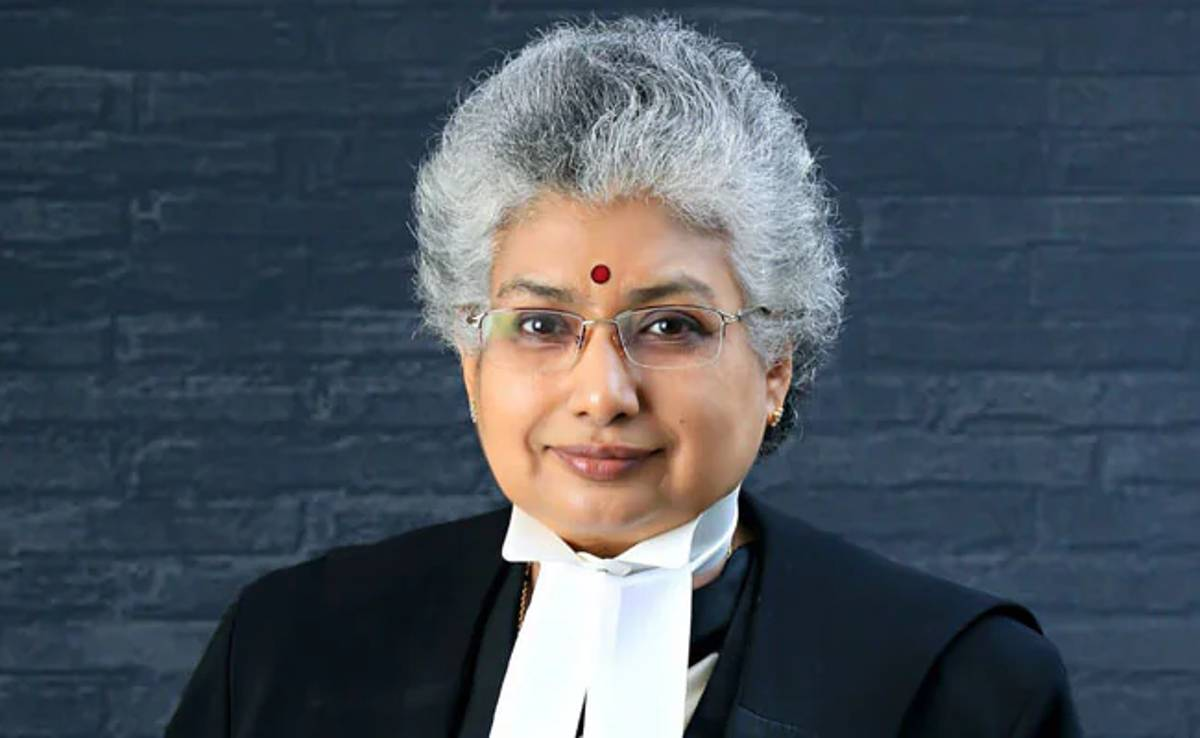
Justice Sharma noted that the central issue across all applications was the apprehension of bias due to her earlier orders. She remarked:
“Recusal is going to happen only on two grounds… you are apprehending that I will not be able to do justice to you.”
After a marathon hearing lasting over 4.5 hours, the Court reserved its verdict. In a candid closing remark, Justice Sharma stated:
“In my life, for the first time, someone asked me to recuse. I have learnt a lot on the recusal jurisdiction. I hope I will give a good judgment.”
Table of Contents
Legal Significance
The case raises critical questions about judicial recusal standards, balancing litigants’ perceptions with the need to prevent forum shopping. It also touches upon principles of natural justice, judicial impartiality, and the threshold for recusal in criminal matters involving Article 21 rights.
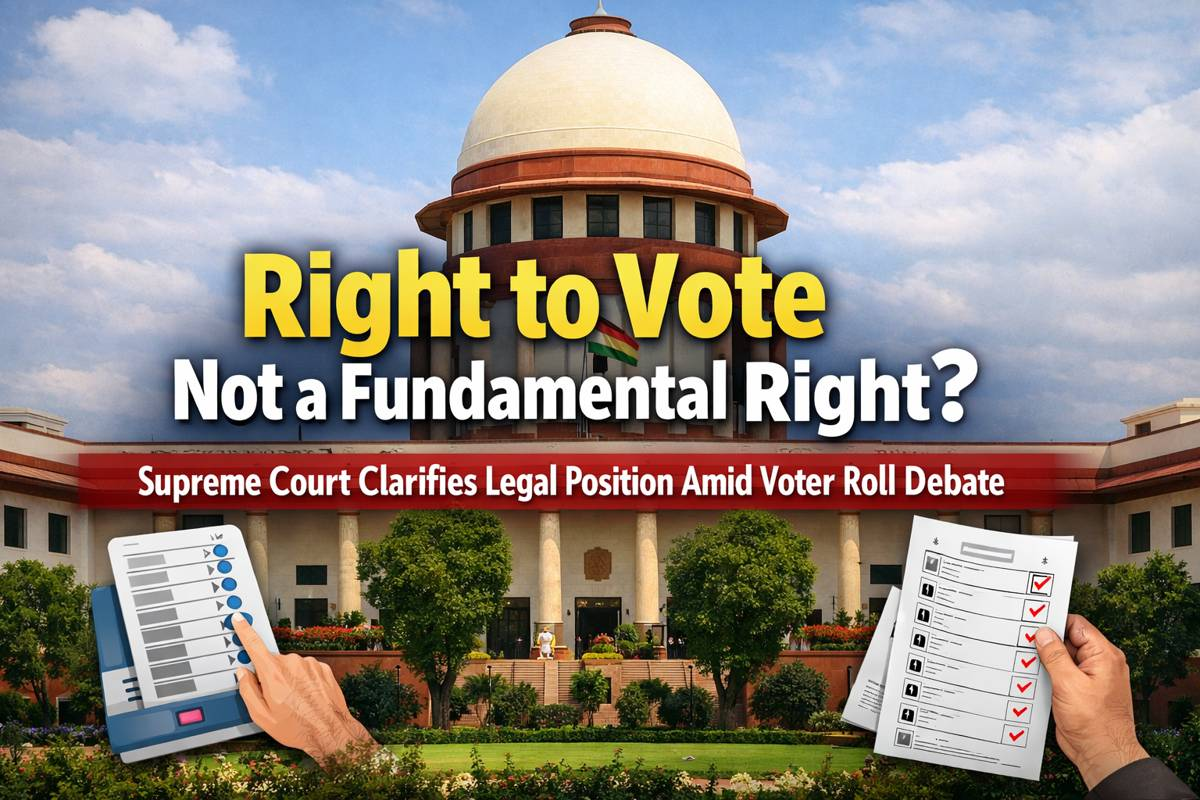
ALSO READ:“Right to Vote Not a Fundamental Right? Supreme Court Clarifies Legal Position Amid Voter Roll Debate“
LATEST POSTS: