
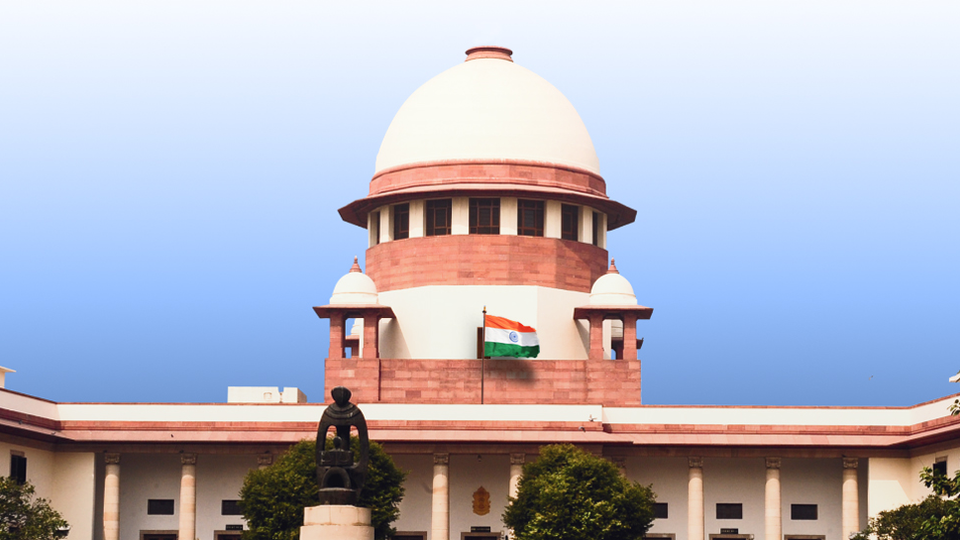
Supreme Court Dismisses PIL Seeking 50% Women Reservation in Judicial Services
In a significant development concerning gender representation in the legal profession, the Supreme Court of India on Wednesday refused to entertain a Public Interest Litigation (PIL) seeking a mandate for up to 50% reservation for women in judicial services and government legal panels. However, the Court granted liberty to the petitioners to submit a comprehensive representation before appropriate authorities.
The matter was heard by a bench comprising Chief Justice of India Justice Surya Kant, along with Justice Joymalya Bagchi and Justice Vipul Pancholi. The bench emphasized judicial restraint, observing that such policy-oriented issues are generally not suitable for adjudication unless exceptional circumstances exist.
Court’s Observations and Key Remarks
During the hearing, the bench noted that “it would not be expedient to take up the issue on judicial side, except when intervention is warranted in peculiar facts and circumstances.” This observation underlines the Court’s stance on maintaining a balance between judicial review and policy-making, which typically falls within the domain of the executive and legislative branches.
In a candid remark directed at the petitioners’ counsel, Advocate Vishnu Shankar Jain, the Chief Justice stated, “Don’t embarrass us and create complications for yourself”. This statement reflected the Court’s reluctance to intervene in matters that require broader policy deliberations.
The Court also acknowledged ongoing efforts to improve women’s representation in the legal profession. CJI Surya Kant remarked that while steps are being taken, transformation is gradual and cannot be expected overnight.
Table of Contents
Reliefs Sought in the PIL
The PIL, titled Mani Munjal and Ors. versus Union of India and Ors., W.P.(C) No. 400/2026, sought multiple directions aimed at enhancing women’s representation in the legal system.
The petitioners urged the Court to direct the Government of India and the Collegium system to ensure that up to 50% of judicial appointments in High Courts and the Supreme Court are allocated to eligible women candidates. This included recommendations made to the President of India for such appointments.
Additionally, the petition sought similar directions for the appointment of women as law officers, standing counsel, panel counsel, and state counsel representing the Union and State governments across District Courts, High Courts, and the Supreme Court.
The plea further extended to judicial services at the state level, requesting that State governments earmark 50% of positions for women in both Higher Judicial Services and Provincial Judicial Services. It also called for a 50% quota in promotions from Provincial Judicial Services to Higher Judicial Services.
Legal and Policy Context
The case raises important questions about gender equality and affirmative action within the judiciary and legal profession. While the Constitution of India guarantees equality before the law under Article 14 and prohibits discrimination under Article 15, the issue of reservation in judicial appointments remains a complex intersection of constitutional principles and institutional practices.
The Supreme Court’s refusal to entertain the PIL reflects its consistent approach of refraining from issuing directives in areas involving policy formulation unless there is a clear constitutional violation or extraordinary circumstance.
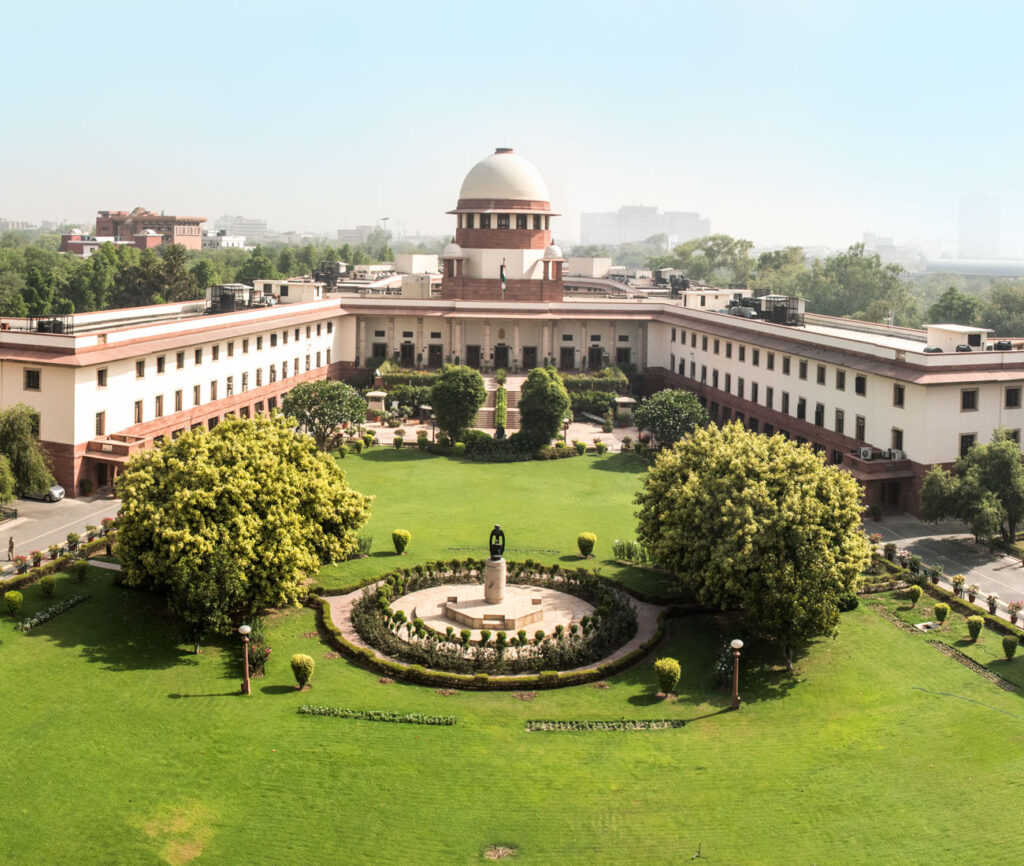
Liberty to Approach Authorities
Despite declining to adjudicate the matter, the Court provided the petitioners with the liberty to submit a detailed representation to relevant stakeholders. This indicates that while judicial intervention was declined, the issue itself was not dismissed as insignificant.
Conclusion
The Supreme Court’s decision highlights the delicate balance between judicial intervention and policy-making in matters of institutional reform. While the demand for increased women representation in the judiciary continues to gain traction, the Court has reiterated that such systemic changes must primarily be addressed through legislative and executive action rather than judicial mandates.
LATEST POSTS: