
India Not a Hindu State: Justice N Kotiswar Singh Highlights Constitutional Pluralism
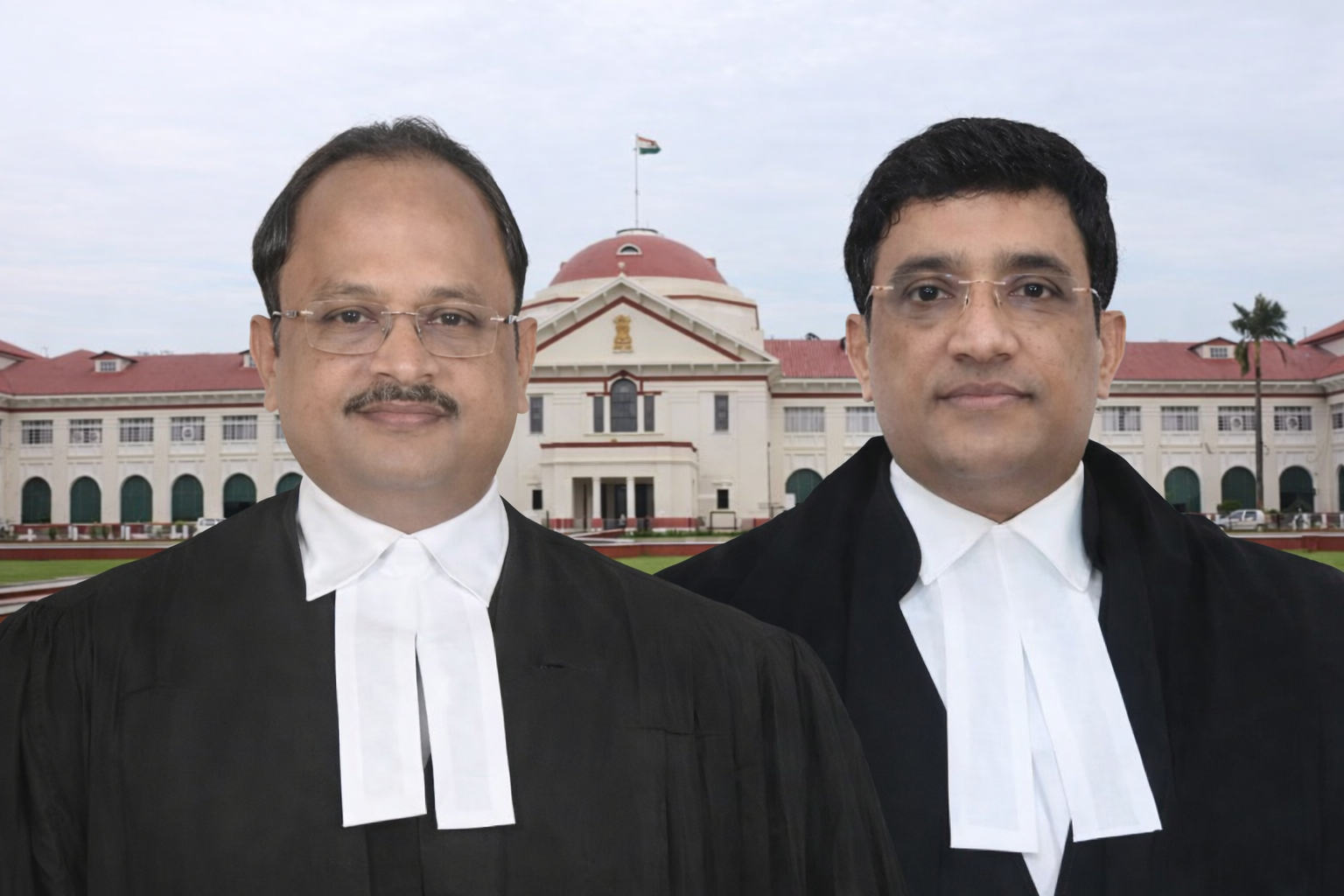
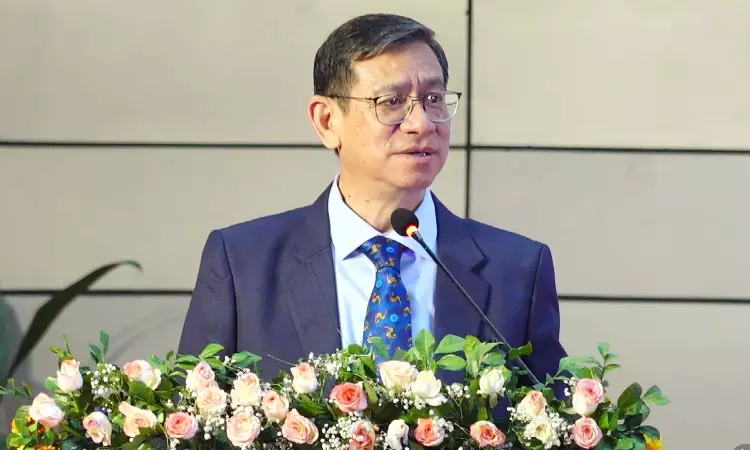
At a recent legal conclave, Justice N. Kotiswar Singh of the Supreme Court of India emphasised that India’s constitutional framework does not recognise the country as a religious state, reaffirming the pluralistic identity embedded in the Constitution.
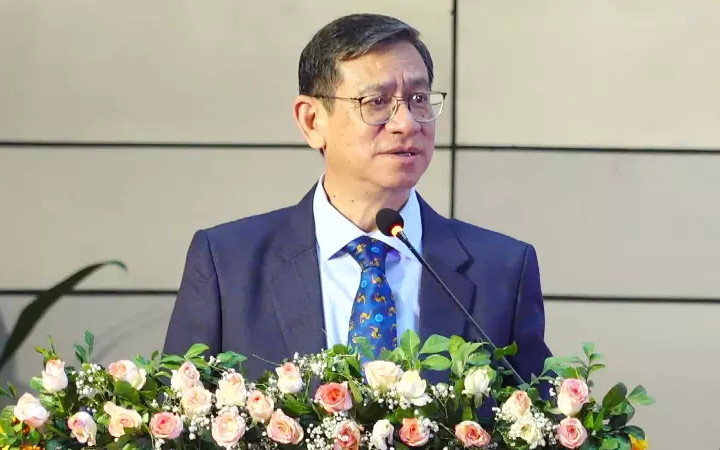
Speaking at the NLIU-SBA Conclave 2026, Justice N Kotiswar Singh underscored that India has never declared itself a Hindu state and highlighted the inclusive nature of its constitutional ethos. He stated, “There are very, very few countries which subscribe to all the religions like India. India never declares itself to be a Hindu state.”
Constitutional Identity and Historical Context
Justice N Kotiswar Singh Singh elaborated on the historical evolution of the term “Hindu,” clarifying that it did not originally denote a religion. He explained:
“In fact, the word Hindu itself is a word ascribed to this country by other foreigners (for) people who stay beyond Indus… So this question what is Hindus does not mean anything, as far as my understanding is concerned. There may be people who may not agree with me, but the term Hindu doesn’t denote anything. ‘Hindu’ simply is those who have been staying beyond Indus river.”
He further contextualised India’s civilisational openness by referring to historical migrations, including Jewish and Zoroastrian communities, who found refuge in India without being persecuted or forced to convert.
Constitution as a Transformative Document
Highlighting the centrality of the Constitution, Justice Singh described it as more than a legal text:
“We have the Constitution before us, the most creative legal document. It’s not merely a legal document. It’s a historic document. It’s a social document. It is a constructive document.”
He noted that the Constitution continues to shape India’s democratic framework, guiding its legal and social evolution since independence.
Table of Contents
Rethinking Western Legal Influence
Justice Singh called for a re-evaluation of Western legal education and its applicability in contemporary India. While acknowledging its influence, he stated:
“I have nothing against Western education. I am myself a product of that. But time has come to see beyond that, because the Western legal education system cannot perhaps deal with all the situations, contemporary situations in India.”
He advocated for integrating indigenous philosophical traditions such as Mimamsa and Nyaya into modern legal reasoning, arguing that India possessed advanced systems of logic and debate long before colonial influence.
Access to Justice and Language Barriers
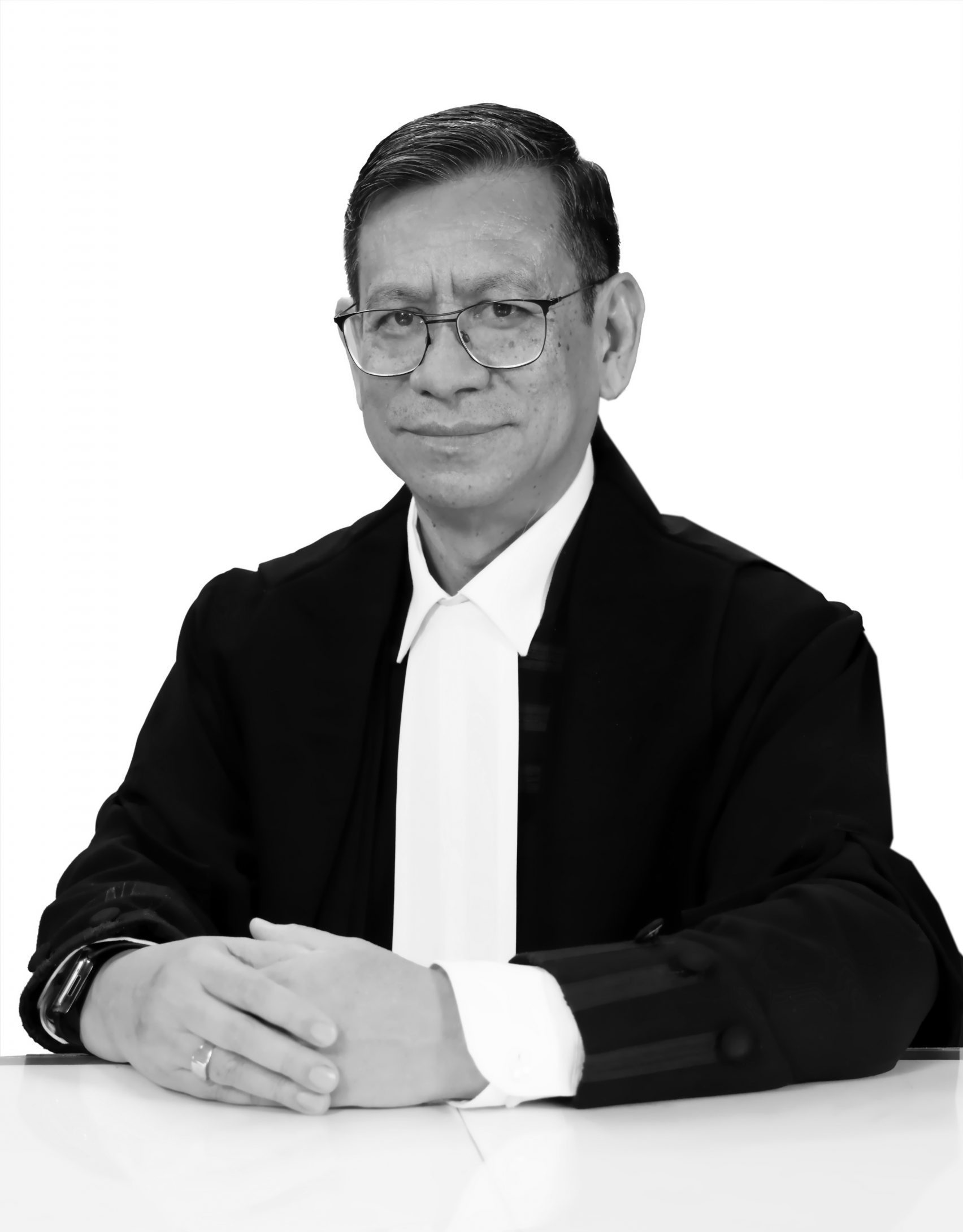
Addressing systemic challenges, Justice Singh highlighted the disconnect between legal institutions and citizens, particularly due to language barriers. He remarked:
“The litigant wants the answer in the language he knows, understands.”
He criticised the continued reliance on Latin terminology and complex legal jargon, suggesting that increasing the use of regional languages in courts could significantly enhance access to justice and public trust.
Concerns Over Colonial Legacy and Legal Education
Justice S. A. Dharmadhikari, also speaking at the conclave, echoed similar concerns about accessibility and the colonial imprint on India’s legal system. He observed:
“When a farmer in a remote village in Tamil Nadu or Madhya Pradesh enters a courtroom, he is essentially a spectator in his own life’s drama. If the litigant cannot understand the reasoning of the court, then justice has remained locked behind a colonial gate.”
Critiquing the current framework, he added:
“The primary criticism of the existing legal framework is that, even after more than 75 years of independence, it remains rooted in the Victorian era.”
On legal education, Justice Dharmadhikari warned against a growing disconnect between law graduates and societal realities:
“We are increasingly witnessing that though NLUs are producing prodigies who are way ahead of their contemporaries, the drawback is that they are graduating with the ultimate aim of becoming millionaires at the fastest pace.”
He further cautioned:
“The time is not far when premier law schools may be successful in producing intelligent graduates but thinking like robots and not like human beings with the sensitivity they ought to nurture and develop for serving the common man of the society.”
Conclusion
The observations made at the conclave highlight a broader judicial concern regarding constitutional values, accessibility of justice, and the need to align India’s legal system with its unique socio-cultural realities. Justice Singh’s remarks reaffirm that India’s identity, as envisioned by its Constitution, remains rooted in pluralism rather than religious exclusivity.
ALSO READ:- “Delhi High Court Reserves Verdict on Arvind Kejriwal’s Recusal Plea Against Justice Swarana Kanta Sharma”
LATEST POSTS: