
Justice Yashwant Varma Resigns Amid Cash Controversy | Allahabad High Court Judge Impeachment Ends
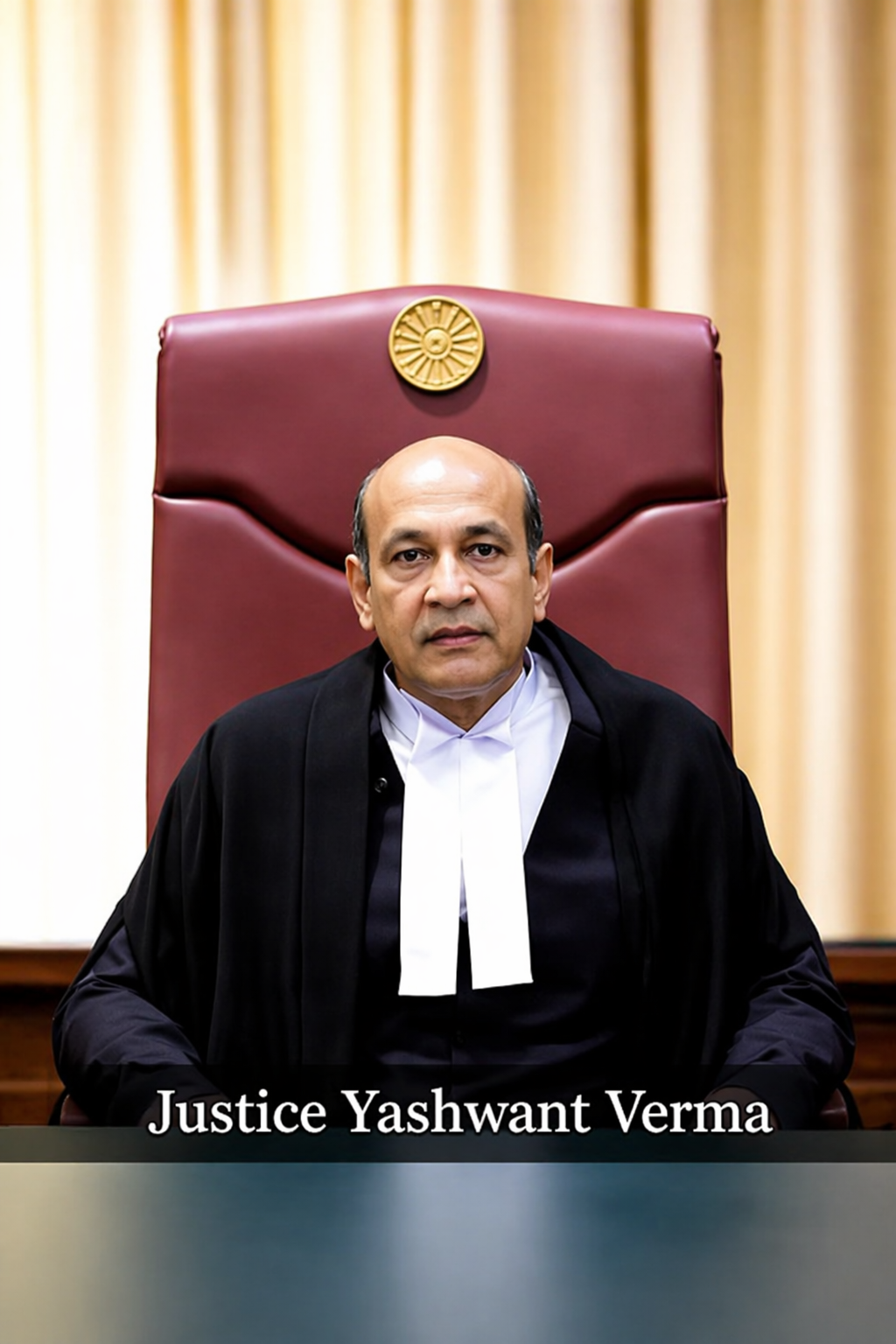
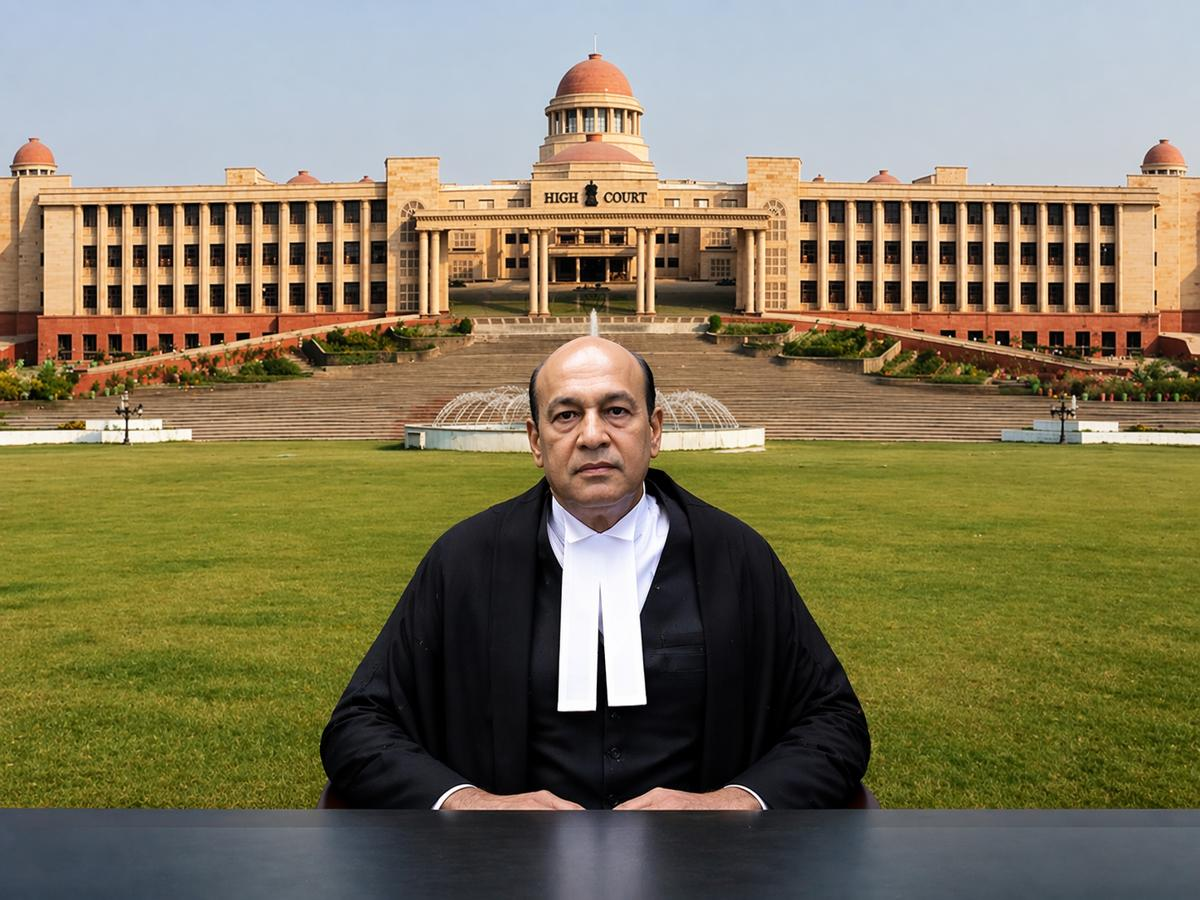
Justice Yashwant Varma of the Allahabad High Court has tendered his resignation to the President of India, Droupadi Murmu. The resignation comes amid ongoing impeachment proceedings and allegations of corruption linked to the recovery of burnt currency notes from his official residence in Delhi.
Resignation Letter: “Deep Anguish” and Immediate Effect
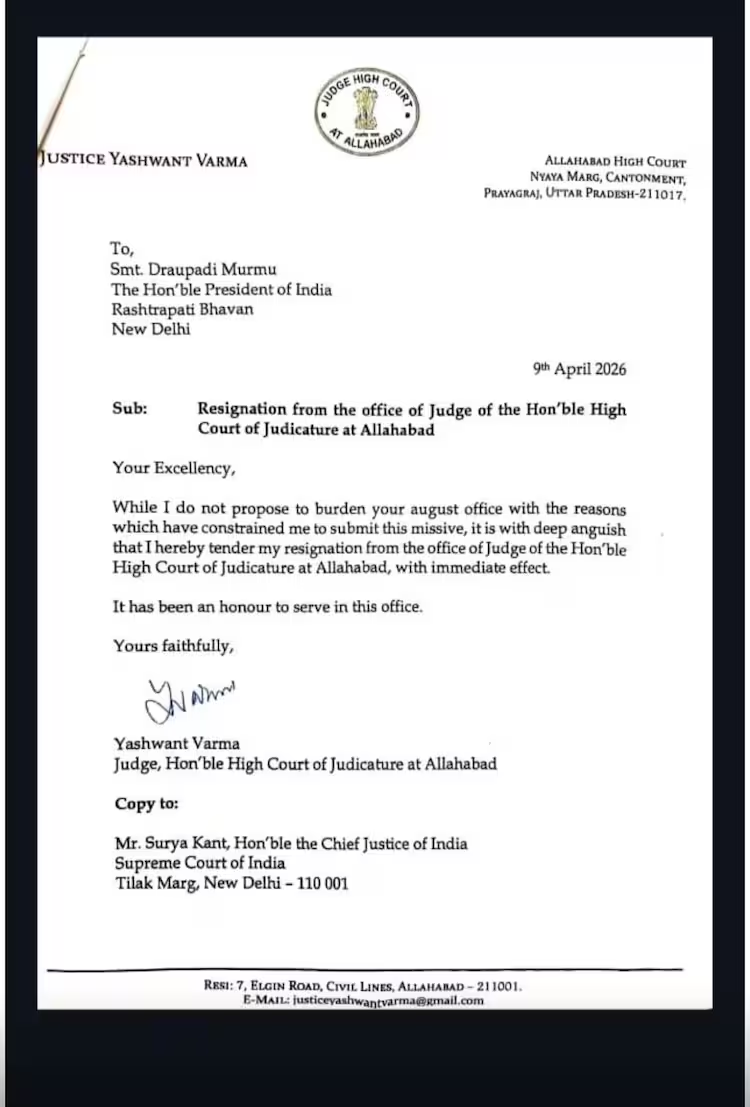
In his resignation letter dated April 9, Justice Yashwant Varma stated:
“While I do not propose to burden your august office with the reasons which have constrained me to submit this missive, it is with deep anguish that I hereby tender my resignation from the office of Judge of the Hon’ble High Court of Judicature at Allahabad, with immediate effect.”
He further added:
“It has been an honour to serve in this office.”
A copy of the letter was also forwarded to the Chief Justice of India.
Background: Fire Incident and Allegations of Unaccounted Cash
The controversy dates back to March 14, 2025, when a fire broke out at Justice Yashwant Varma’s official residence in Delhi. During firefighting operations, authorities allegedly discovered large quantities of unaccounted cash, with visuals later surfacing showing bundles of currency burning.
At the time of the incident, Justice Yashwant Varma and his wife were reportedly in Madhya Pradesh, while only his daughter and elderly mother were present at the residence.
Justice Yashwant Varma has consistently denied the allegations, claiming that no cash was recovered from his residence and suggesting a conspiracy to frame him.
Table of Contents
In-House Inquiry and Judicial Action
Following the incident, then Chief Justice of India Sanjiv Khanna initiated an in-house inquiry and constituted a three-member committee comprising:
- Chief Justice Sheel Nagu (Punjab & Haryana High Court)
- Chief Justice GS Sandhawalia (Himachal Pradesh High Court)
- Justice Anu Sivaraman (Karnataka High Court)
The committee, which began its probe on March 25, submitted its report in May 2025, reportedly finding prima facie evidence of Justice Yashwant Varma’s control over the premises where the cash was discovered.
Subsequently, Justice Yashwant Varma was transferred from the Delhi High Court to the Allahabad High Court, and his judicial work was withdrawn pending further action.
Parliamentary Proceedings Under Judges (Inquiry) Act, 1968
In August 2025, Lok Sabha Speaker Om Birla constituted a three-member inquiry committee under the Judges (Inquiry) Act, 1968, following an impeachment motion supported by over 140 Members of Parliament. The committee included:
- Justice Aravind Kumar (Supreme Court)
- Chief Justice Shree Chandrashekhar (Bombay High Court)
- Senior Advocate B. Vasudeva Acharya
The removal process, governed by Articles 124 and 217 of the Constitution of India, requires a two-thirds majority in both Houses of Parliament on grounds of “proved misbehaviour” or “incapacity.”
Supreme Court’s Observations
Justice Yashwant Varma challenged the inquiry proceedings before the Supreme Court. However, a Bench of Justices Dipankar Datta and Satish Chandra Sharma upheld the process, ruling that the statutory mechanism had not been violated and that the Speaker was competent to constitute the inquiry committee.
Justice Varma’s Defence
In response to the allegations, Justice Yashwant Varma questioned the basis of the impeachment proceedings, stating:
“Why should I be impeached if officials failed to secure the site… The police and fire department officials present failed to take action as required.”
He emphasized that he was not present at the residence during the incident and that the premises were under the control of authorities at the relevant time.
Impact of Resignation on Impeachment Proceedings
Justice Yashwant Varma’s resignation effectively brings the ongoing impeachment proceedings to a halt. Under the Judges (Inquiry) Act, 1968, the statutory mechanism for removal ceases once a judge demits office, rendering further inquiry untenable.
The resignation thus marks an abrupt end to a rare and complex impeachment process against a sitting High Court judge. Notably, no judge has been successfully impeached in India to date.
Conclusion
Justice Yashwant Varma’s resignation underscores critical questions surrounding judicial accountability, transparency, and institutional integrity. While the proceedings have now ceased, the controversy remains a significant chapter in India’s judicial history.
READ THE LETTER :
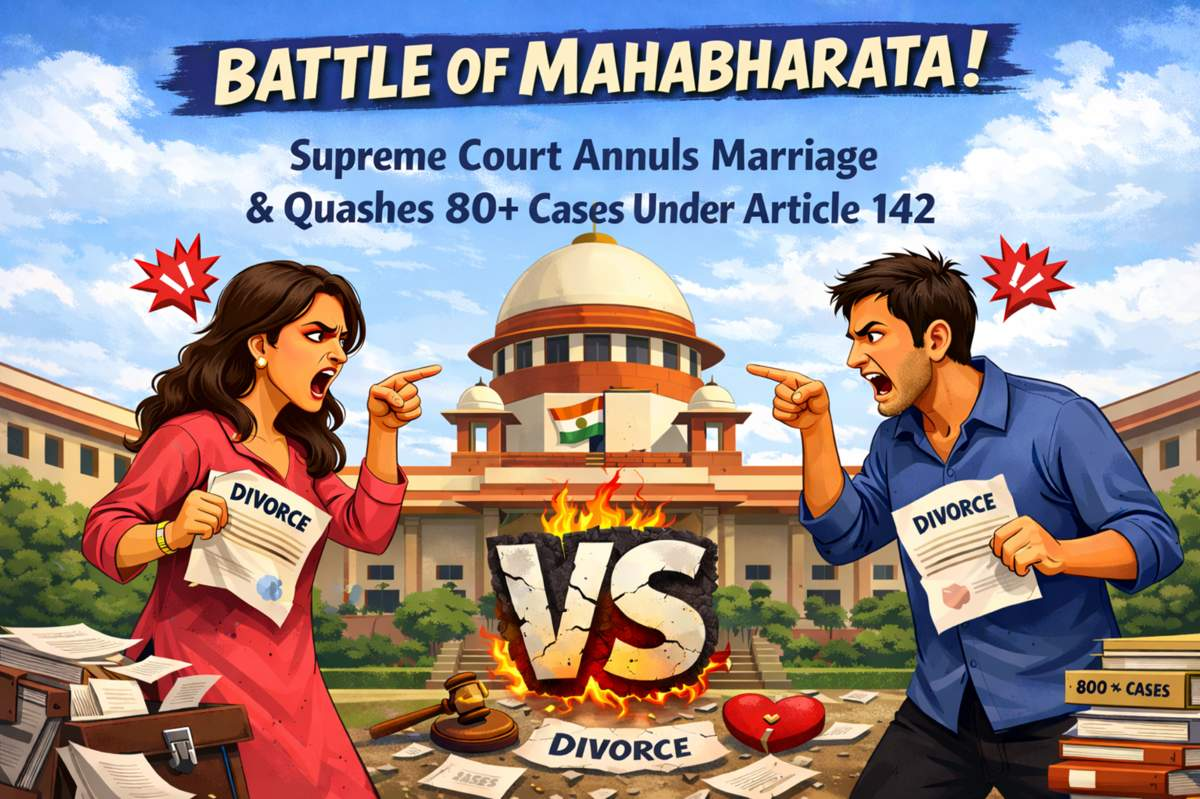
ALSO READ:- “Supreme Court Calls Matrimonial Dispute a “Battle of Mahabharata”, Annuls Marriage, Quashes 80+ Cases Under Article 142”