
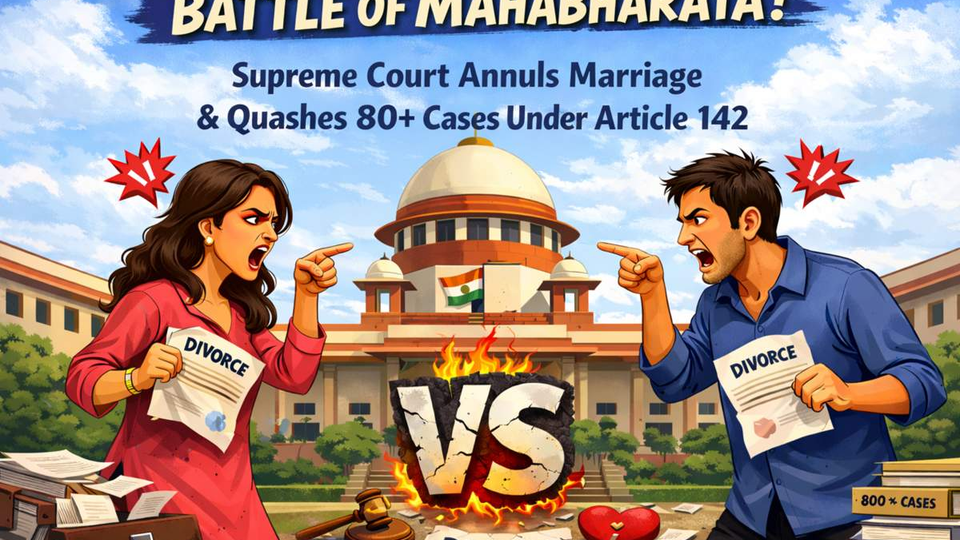
Supreme Court Annuls Marriage, Calls Dispute ‘Mahabharata Battle’, Quashes 80+ Cases
The Supreme Court of India dissolved a decade-long estranged marriage, terming the prolonged litigation between the parties as a “matrimonial battle of Mahabharata.” The Court invoked its extraordinary powers under Article 142 of the Constitution of India to grant a complete and final resolution to the dispute.
Table of Contents
Bench and Judgment Details
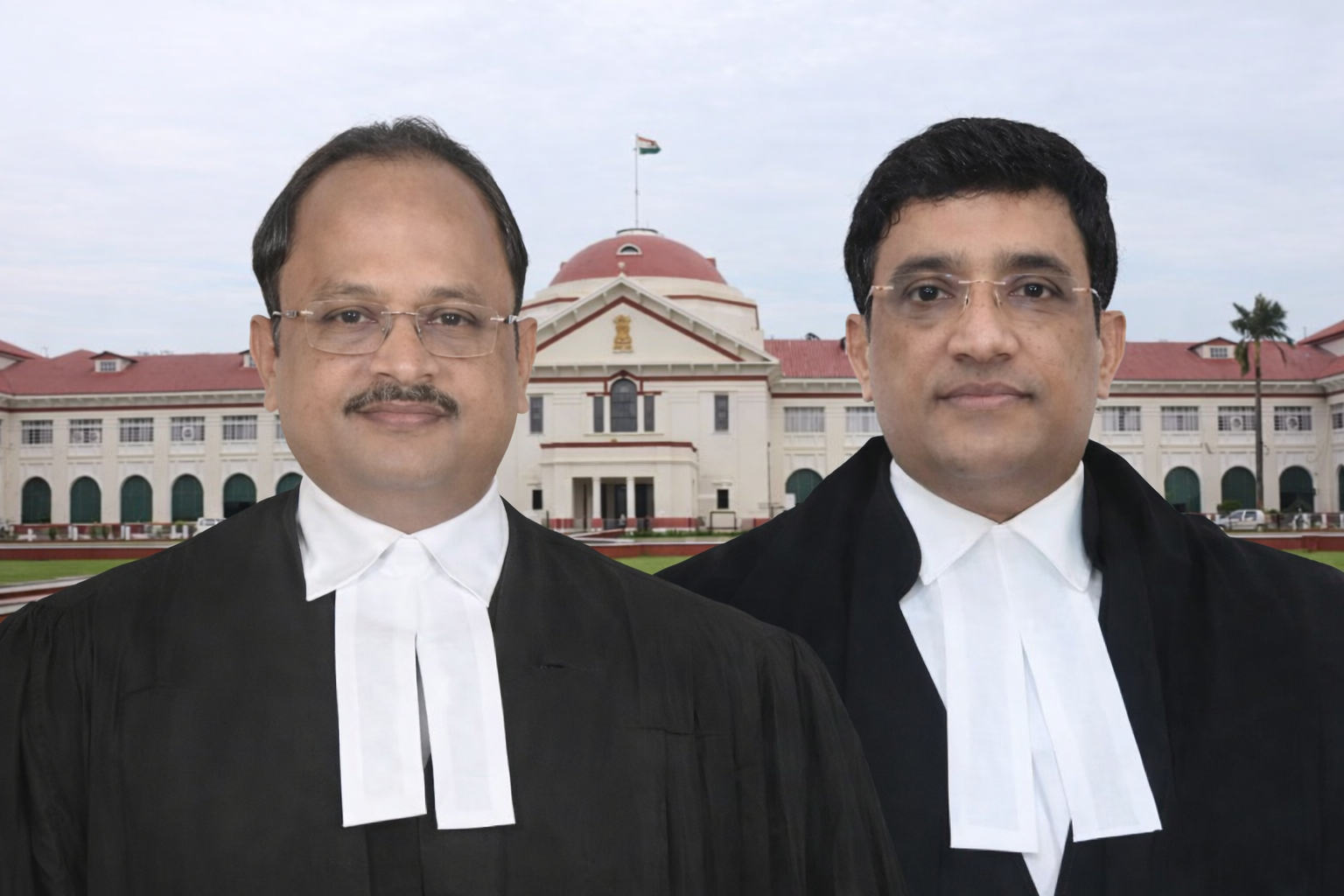
The judgment was delivered on April 8, 2026, by a bench comprising Justice Vikram Nath and Justice Sandeep Mehta in X v. Y (judgment attached below). Justice Mehta authored the verdict.
Background: Decade-Long Matrimonial Litigation
The case involved a couple living separately for over 10 years, during which more than 80 cases were filed against each other, their families, and even legal representatives. The Court noted that the dispute had escalated far beyond ordinary matrimonial discord.
Justice Mehta observed that the parties were:
“embroiled in a longdrawn, bitter matrimonial strife, resulting in multiplicity of litigations instituted across various Courts and forums”.
Court’s Observations on Husband’s Conduct
The bench strongly criticized the respondent-husband, a practicing advocate, for misusing his legal knowledge to harass the wife and prolong litigation.
The Court noted:
“We may also note that the respondent-husband has, at every stage, tried to multiply and complicate the proceedings by filing innumerable applications and complaints not only against the appellant-wife and her relatives but also against her advocates. Most of these proceedings appear to be vindictive and vexatious. This clearly indicates a hostile, cantankerous and vindictive approach on part of the respondent-husband…”
Further, the Court remarked:
“…the respondent-husband was exploiting his knowledge as a law professional to frustrate the proceedings and to intimidate the advocates appearing for the appellant-wife…”
It was also highlighted that the husband had filed multiple cases, including nine proceedings against the wife’s legal counsel, indicating an attempt to intimidate and obstruct justice.
Irretrievable Breakdown and Exercise of Article 142
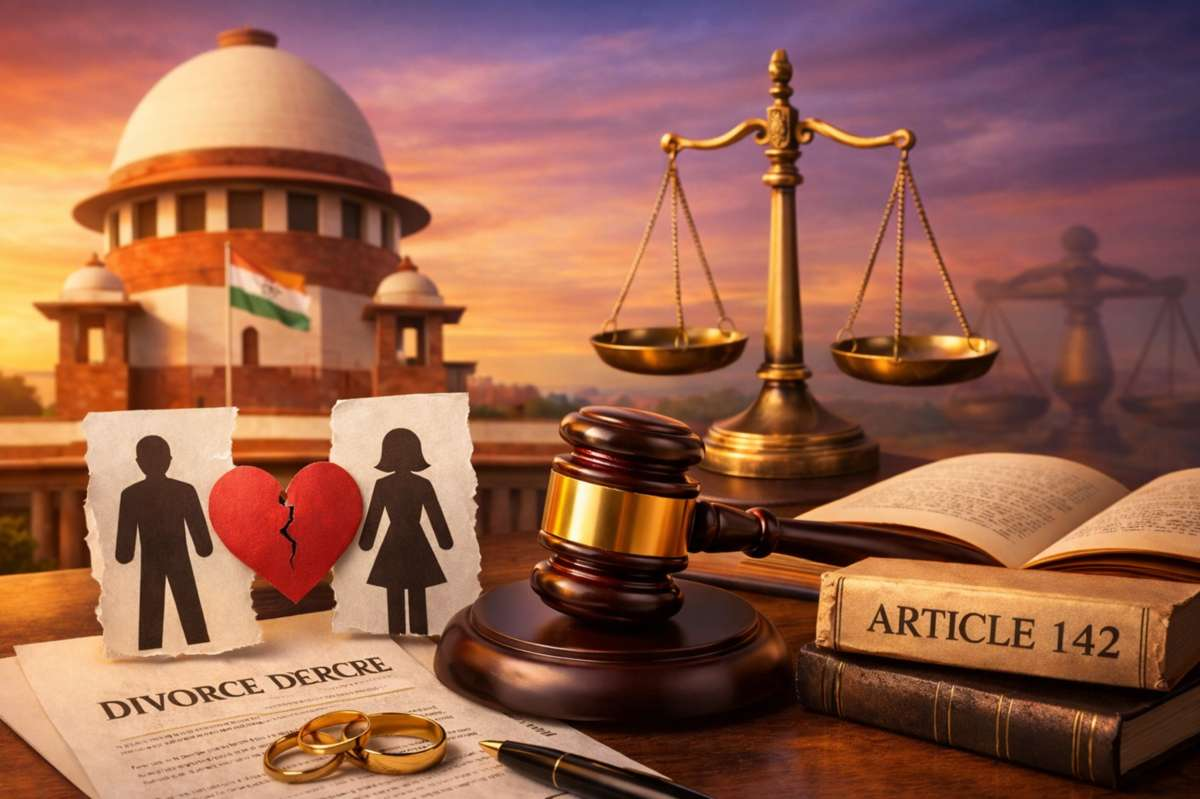
Recognizing that the marriage had irretrievably broken down, the Court held:
“There is no doubt in the mind of this Court that the marriage is dead for all practical purposes and this is a supremely fit case warranting exercise of jurisdiction under Article 142 of the Constitution of India, not only to annul the marriage between the parties but also to terminate all proceedings initiated and pending inter se… in order to do complete justice and provide a quietus to this decade-long dispute which has crossed all limits and has assumed the status of a matrimonial battle of Mahabharata.”
Financial Settlement and Maintenance
The Court directed the husband to pay ₹5 crore as a consolidated amount towards permanent alimony, maintenance (past, present, and future), child support, and litigation expenses.
Rejecting the husband’s claim of financial incapacity, the Court held:
“We find force in the submission that the respondent-husband’s claim of financial incapacity is nothing but a subterfuge to evade his legal and moral obligations.”
The Court further emphasized:
“maintenance, upbringing and the education of the son would require significant financial resources… even if the appellant-wife is highly educated and professionally qualified, that by itself cannot be a reason to absolve the respondent-husband from his matrimonial, paternal, moral and legal responsibility…”
The amount is to be paid within one year, either in a lump sum or in four equal quarterly installments.
Custody and Additional Directions
The Court granted absolute custody of the two sons to the appellant-wife, while allowing visitation rights to the husband under specified conditions.
Additionally, the wife was directed to vacate a residential property owned by the husband’s father, and both parties were required to file undertakings. The husband also undertook not to initiate any further litigation against the wife, her relatives, or her lawyers.
Quashing of All Proceedings
In a sweeping move, the Court quashed all pending civil, criminal, and miscellaneous proceedings, including FIRs, filed by both parties and extended relief to their relatives and legal representatives as well.
Conclusion
This ruling underscores the Supreme Court’s commitment to preventing abuse of legal processes and ensuring complete justice in matrimonial disputes. By invoking Article 142, the Court not only dissolved a dead marriage but also brought an end to a decade-long cycle of litigation, providing a decisive and holistic resolution.
READ JUDGEMENT
RECENT UPDATES
- Supreme Court Declines PIL Seeking 50% Reservation for Women in Judicial Services and Government Panels
- Patna High Court Dismisses Delayed Appeal on Service Regularisation; Says Courts Need Not Indulge Indolent Litigants
- India Not a Religious State, Constitution Reflects Pluralism: Supreme Court Justice N. Kotiswar Singh

- Delhi High Court Reserves Verdict on Arvind Kejriwal’s Recusal Plea Against Justice Swarana Kanta Sharma
- Right to Vote Not a Fundamental Right? Supreme Court Clarifies Legal Position Amid Voter Roll Debate

- Justice Yashwant Varma Resigns Amid Cash Controversy: Allahabad High Court Judge Steps Down During Impeachment Proceedings