
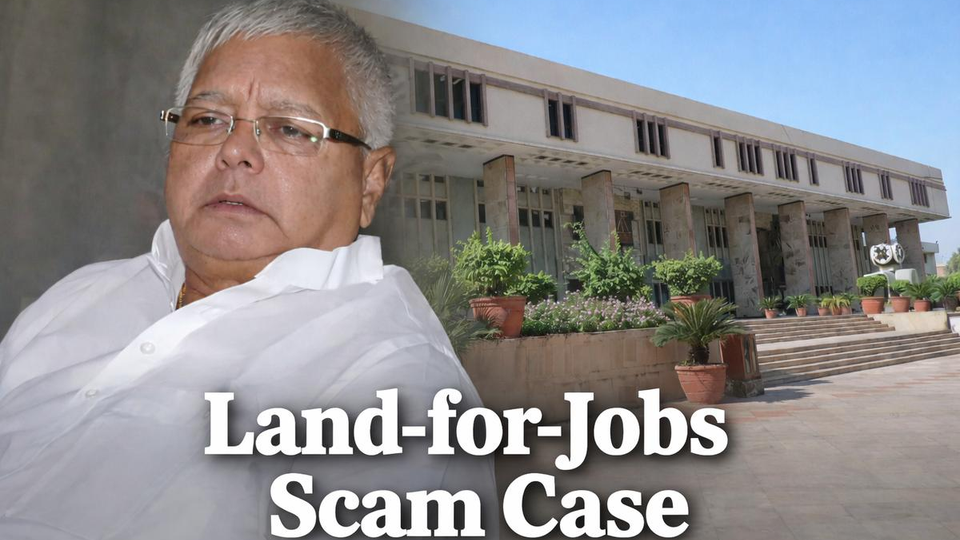
Delhi HC Rejects Lalu Yadav Plea to Quash FIR in Land-for-Jobs Scam
Delhi High Court dismisses Lalu Yadav’s plea to quash CBI FIR in land-for-jobs scam, holding the petition “devoid of merit.” Read full judgment details, arguments, and legal provisions.
The Delhi High Court on Tuesday dismissed a plea filed by RJD leader and former Railway Minister Lalu Prasad Yadav, seeking quashing of the CBI FIR in the alleged land-for-jobs scam. The Court’s ruling allows the criminal proceedings and investigation to continue, marking a crucial development in the high-profile corruption case.
Table of Contents
The judgment was delivered on March 24, 2026, by a single-judge bench of Justice Ravinder Dudeja, who rejected the petition after hearing detailed submissions from the parties.
Key Observations by the Court
While dismissing the plea, the Court held that the petition was:
“devoid of merit.”
The Court further declined to exercise its inherent powers to quash the FIR at this stage, allowing the trial to proceed in accordance with law.
Background of the Case
The case relates to allegations that during his tenure as Union Railway Minister between 2004 and 2009, Lalu Prasad Yadav facilitated appointments to Group D posts in the Indian Railways in exchange for land parcels transferred to his family members and associates.
The Central Bureau of Investigation (CBI) registered the FIR in 2022 and subsequently filed multiple charge sheets, alleging a larger conspiracy involving misuse of official position for pecuniary gain.
A trial court had earlier taken cognizance of the matter and found sufficient material to proceed, indicating a prima facie case against the accused persons.
Submissions on Behalf of Lalu Prasad Yadav
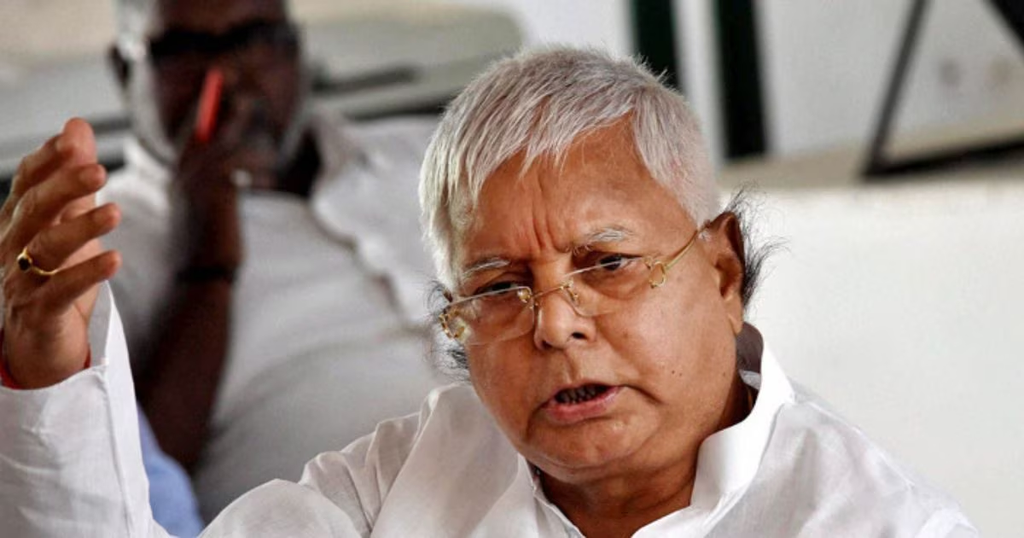
Senior Advocate Kapil Sibal, appearing for Yadav, contended that:
- The acts in question were performed in his official capacity as Railway Minister
- Therefore, prior sanction under Section 19 of the Prevention of Corruption Act, 1988 was mandatory
- In the absence of such sanction, the FIR and subsequent proceedings were liable to be quashed
It was argued that continuation of the proceedings would amount to an abuse of the process of law.
CBI’s Arguments
The CBI opposed the plea, arguing that:
- The alleged acts do not fall within the scope of official duty
- Hence, no prior sanction was required for prosecution
- The investigation has revealed substantial material indicating criminal conspiracy and corruption
Court’s Reasoning
The Delhi High Court, after evaluating the submissions, refused to interfere with the proceedings. It emphasized that the power to quash criminal proceedings should be exercised sparingly and only in cases where no prima facie offence is made out.
Importantly, the Court noted that the issues raised by the petitioner can be examined during trial and do not warrant interference at the pre-trial stage.
The Court also observed that:
“At this stage, it cannot be said that no offence is made out.”
Legal Provisions Involved
The case involves key statutory provisions, including:
- Prevention of Corruption Act, 1988 (particularly Section 19 on sanction for prosecution)
- Indian Penal Code (IPC) provisions relating to criminal conspiracy and cheating
- Code of Criminal Procedure (CrPC) concerning the quashing of FIRs under inherent jurisdiction
Conclusion
The Delhi High Court’s decision to dismiss Lalu Prasad Yadav’s plea reinforces the principle that courts should not interfere prematurely in corruption cases where a prima facie case exists. The ruling ensures that the trial in the land-for-jobs scam will proceed, keeping the spotlight on allegations of misuse of public office.
ALSO READ: “Bilkis Bano Case: Supreme Court Seeks Gujarat & Maharashtra’s Response on Convicts’ Plea Challenging Life Sentence”
RECENT POSTS
- Supreme Court Upholds Murder Conviction in Matrimonial Home Death Case, Draws Adverse Inference Under Section 106 Evidence Act
- Delhi High Court Dismisses PIL Seeking Deregistration of AAP, Disqualification of Arvind Kejriwal From Elections

- Justice Swarana Kanta Sharma Recuses From Delhi Excise Policy Case After Initiating Contempt Against Arvind Kejriwal, AAP Leaders

- Supreme Court Restores Kuldeep Sengar’s Life Sentence in Unnao Rape Case, Sets Aside Delhi HC Order Suspending Sentence
- Frictionless Relationship Between Bar and Bench Furthers Justice: Supreme Court Closes Contempt Case Against Yatin Oza
- Political Victimisation Claim: Punjab Minister Sanjeev Arora Seeks Parity With BJP MPs In Plea Against ED Arrest Before P&H High Court