
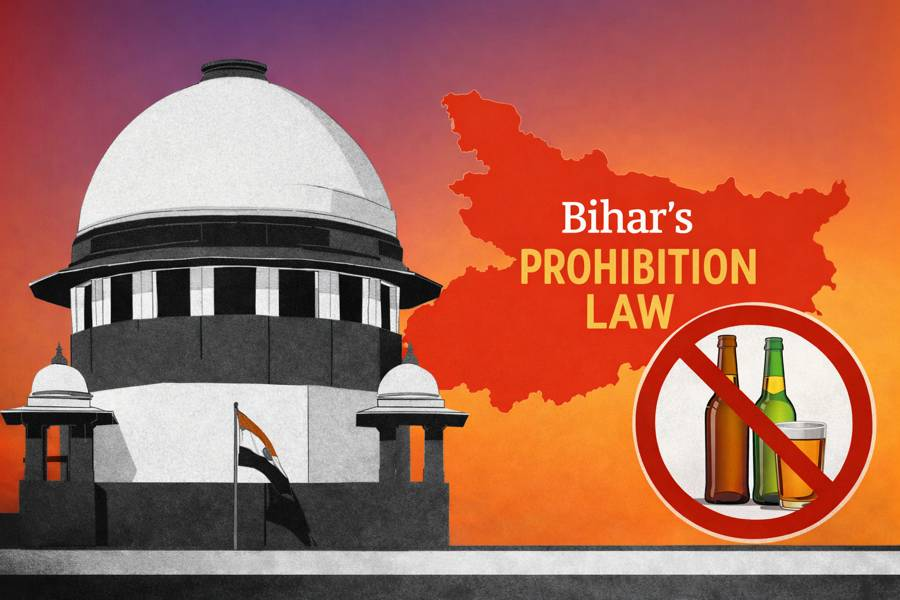
Supreme Court to Examine Bihar Prohibition Law: Can Police Enter Homes?
The Supreme Court will examine whether police can enter private homes in Bihar for alcohol testing under the prohibition law, raising major constitutional concerns.
In a legal development on Tuesday, the Supreme Court of India has agreed to examine whether police authorities in Bihar can enter private residences to conduct alcohol testing under the State’s prohibition law. The case raises serious constitutional questions regarding privacy, personal liberty, and the limits of police powers under the Bihar Prohibition and Excise Act, 2016.
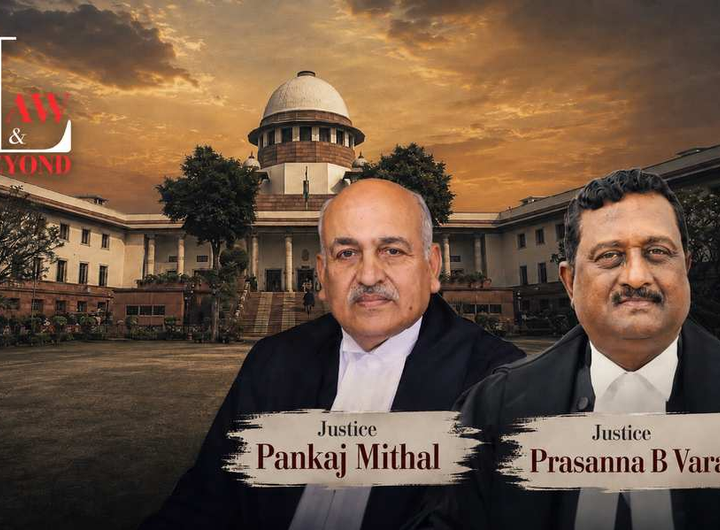
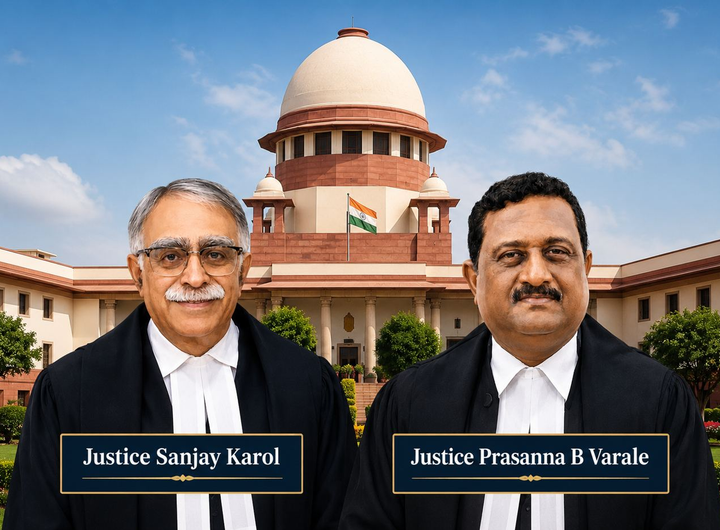
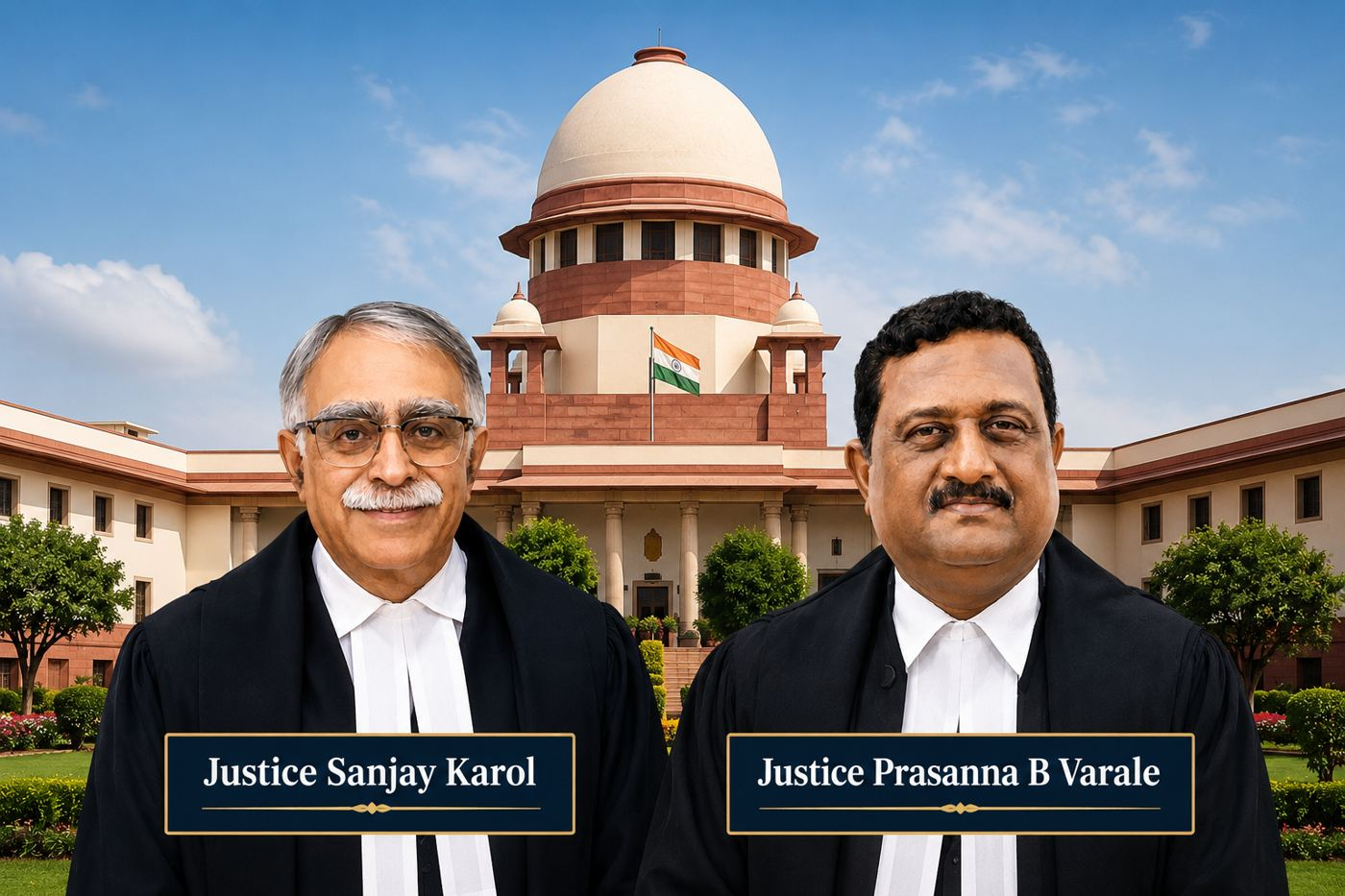
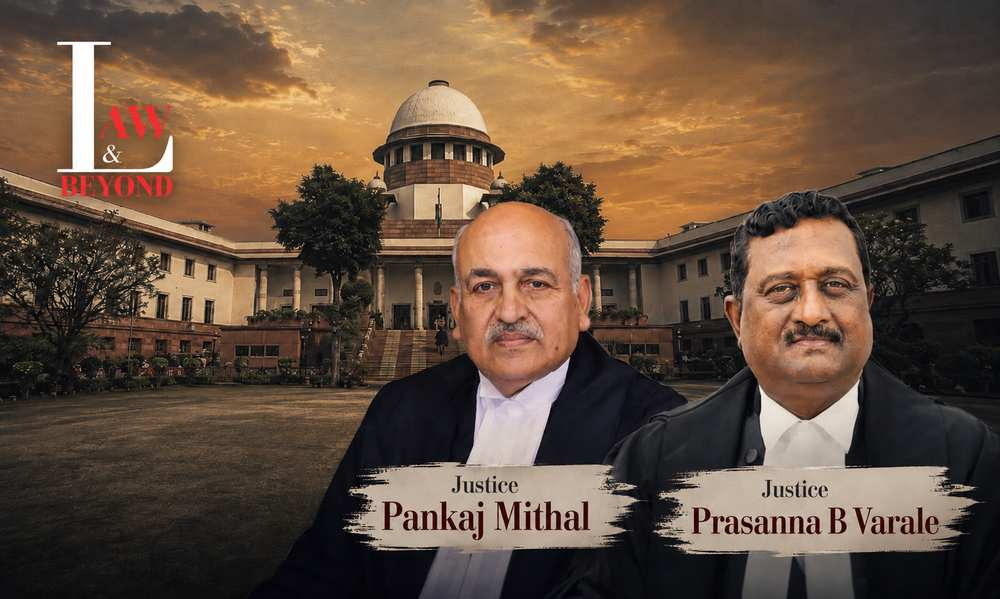
A Bench comprising Justices Sanjay Karol and N. Kotiswar Singh was considering an appeal by the State of Bihar challenging a Patna High Court ruling, which stated that a breath analyser test by itself cannot be regarded as definitive evidence of alcohol consumption.
Table of Contents
Background of Bihar Prohibition Law
The Bihar Prohibition and Excise Act, 2016 introduced a complete ban on the manufacture, sale, possession, and consumption of alcohol in the State. The law grants extensive powers to law enforcement agencies to ensure strict compliance.
However, over time, its implementation has faced criticism for being overly stringent and allegedly violating fundamental rights, particularly in cases involving search and seizure operations conducted by police officials.
Supreme Court to Examine Police Powers
The Supreme Court has now taken up the matter to determine whether such enforcement practices are constitutionally valid. The key issue before the Court is:
“Can police enter homes in Bihar to test for alcohol?”
This question lies at the heart of the dispute and will determine the extent to which the State can intrude into private spaces in the name of enforcing prohibition laws.
Key Constitutional Issues Involved
The case primarily revolves around the interpretation of:
- Article 21 (Right to Life and Personal Liberty)
- Right to Privacy (as recognized in the Puttaswamy judgment)
The Court will assess whether warrantless entry into homes violates citizens’ fundamental rights and whether such actions can be justified under existing legal provisions.
Judicial Concerns Over Prohibition Law
The Bihar prohibition regime has previously come under judicial scrutiny. Courts have expressed concern about arbitrary enforcement and misuse of power.
The Patna High Court, in earlier observations, criticized aspects of the law as:
“draconian”
“disturbing trend” of arbitrary actions
These remarks highlight growing concerns about excessive police authority and lack of procedural safeguards.
Implications of the Supreme Court’s Decision
The Supreme Court’s ruling in this matter could have wide-ranging consequences:
- Strengthening Privacy Rights: A ruling against such police powers may reinforce constitutional protections against unlawful intrusion.
- Impact on Law Enforcement: It may limit the scope of enforcement under prohibition laws.
- Policy Repercussions: Other States with similar laws may need to revisit their enforcement frameworks.
This case is expected to define the balance between State control and individual freedoms in India.
Conclusion
As the Supreme Court prepares to examine the legality of police entering homes for alcohol testing in Bihar, the case marks a crucial moment in constitutional jurisprudence. The outcome will shape the future of prohibition enforcement and clarify the boundaries of State power in relation to citizens’ fundamental rights.
The State contended that the detection of alcohol through a breath analyser test was adequate grounds for registering an FIR. The matter is scheduled to be heard next on April 24.
ALSO READ: “Illicit Liquor Recovery Not Enough to Seal Property: Patna High Court Sets Aside Confiscation”