
Supreme Court Seeks Gujarat & Maharashtra Reply on Two Convicts’ Plea In Bilkis Bano Case
Supreme Court Issues Notice in Bilkis Bano Case
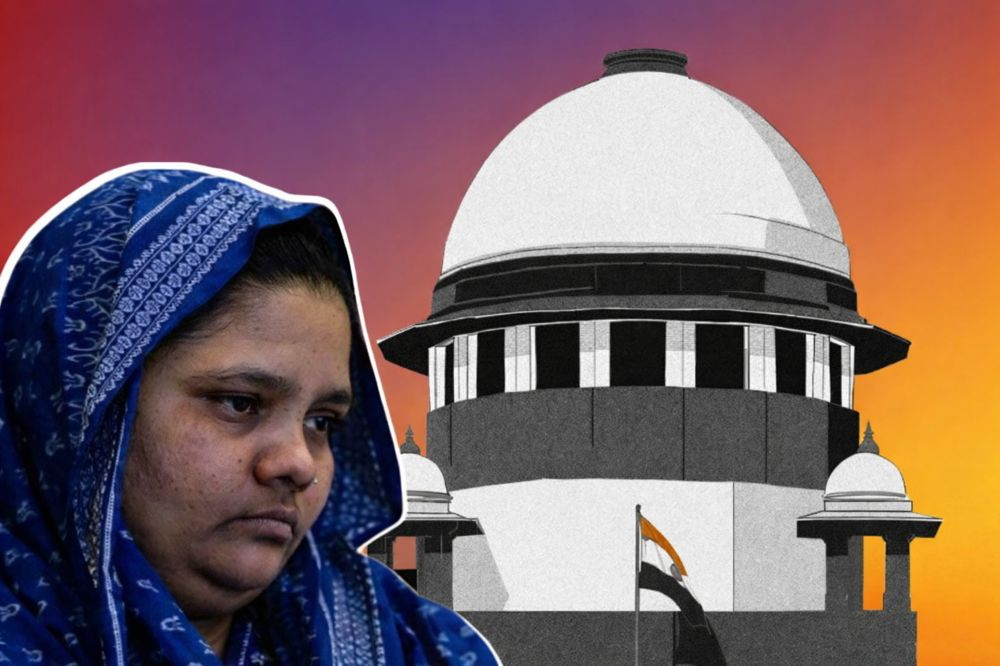
In the Bilkis Bano case, today the Supreme Court, comprising a bench of Justice Rajesh Bindal and Justice Vijay Bishnoi, has issued notice to the States of Gujarat and Maharashtra on a plea filed by two convicts challenging their conviction and life sentence for gang rape and multiple murders during the 2002 Gujarat riots. The matter once again brings into focus one of India’s most significant criminal cases involving questions of justice, jurisdiction, and victims’ rights.
Table of Contents
Detailed Background of the Case
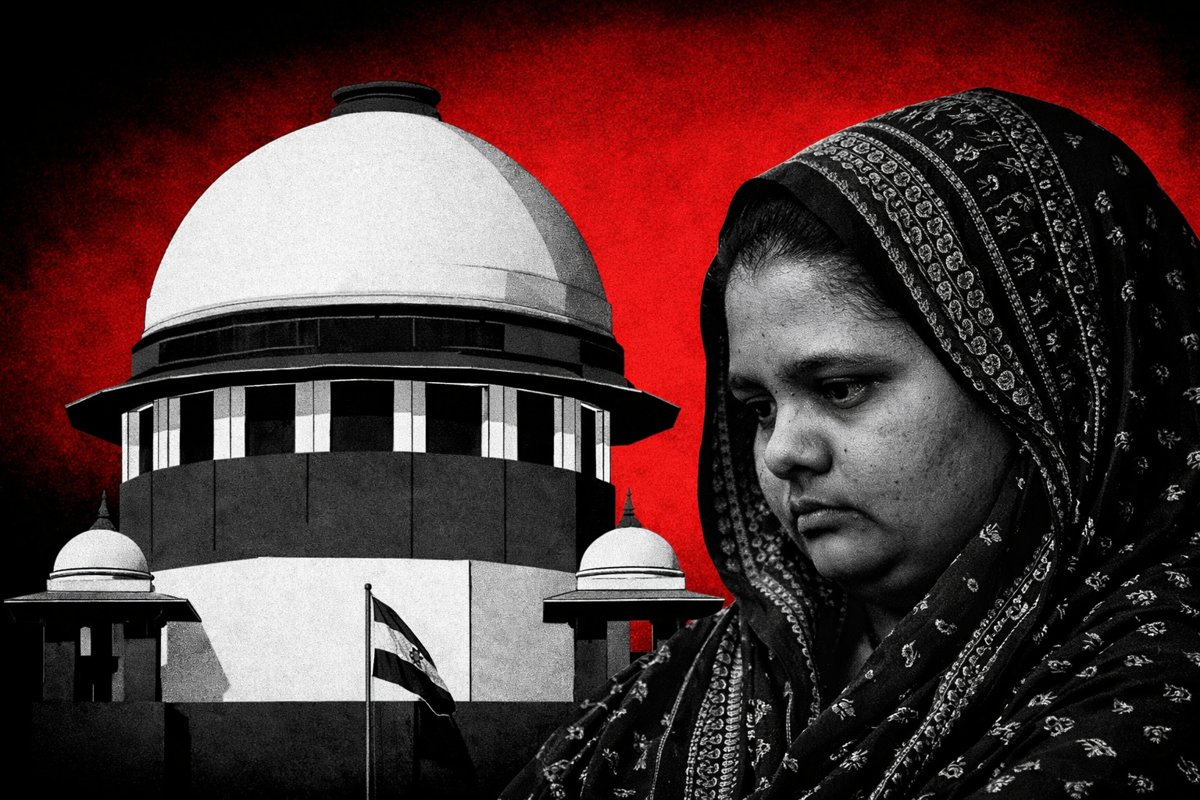
The case dates back to the communal violence that followed the Godhra train burning incident in 2002. During the riots, Bilkis Bano, who was five months pregnant at the time, was brutally gang-raped. Several members of her family, including her minor daughter, were murdered.
Initially, the investigation conducted by the local police in Gujarat was found to be inadequate and biased. Recognizing the gravity of the situation and concerns over a fair trial, the Supreme Court intervened and transferred the investigation to the Central Bureau of Investigation (CBI). Furthermore, the trial was shifted from Gujarat to Maharashtra to ensure impartiality.
In 2008, a special CBI court in Mumbai convicted 11 accused and sentenced them to life imprisonment. The Bombay High Court later upheld the conviction and sentence. The High Court had observed:
“At the same time, we hereby confirm the conviction and sentence imposed on accused nos. 1, 2 and 4 to 12 as imposed by the trial Court.”
Over the years, the case has also been marked by multiple legal battles concerning compensation, witness protection, and remission of sentences.
Convicts’ Plea Before the Supreme Court
The current proceedings arise from a plea filed by two convicts challenging their conviction and life sentence. While hearing the matter, the Supreme Court issued notice to both Gujarat and Maharashtra, seeking their responses.
The involvement of two states is rooted in the procedural history of the case. Although the crime occurred in Gujarat, the trial and conviction took place in Maharashtra following the Supreme Court’s transfer order. This has led to recurring legal questions regarding jurisdiction and the appropriate authority in subsequent proceedings.
Previous Supreme Court Rulings and Remission Controversy
The case gained renewed national attention in 2022 when the Gujarat government granted remission to all 11 convicts. This decision was widely challenged and eventually set aside by the Supreme Court in January 2024.
The Court held that Gujarat was not the appropriate government to grant remission since the trial had been conducted in Maharashtra. The Bench also took a strong view of attempts to justify the remission, dismissing certain pleas as “absolutely misconceived.”
These rulings reinforced the principle that jurisdiction in such cases must align with the place of trial rather than the place of occurrence when the case has been transferred.
Key Legal Issues Before the Court
The present plea raises several important legal questions:
- Whether the convicts can challenge their conviction at this stage
- The role and jurisdiction of Gujarat and Maharashtra governments
- The impact of the Supreme Court’s earlier transfer of trial
- The broader implications for inter-state criminal proceedings
The Court’s decision will likely clarify procedural complexities in cases where investigations and trials occur across different states.
Significance of the Case
The Bilkis Bano case remains a landmark in India’s criminal justice system, symbolizing the fight for justice against systemic failures. It has also contributed significantly to jurisprudence on fair trials, witness protection, and state accountability.
The Supreme Court’s continued engagement with the case reflects its importance in shaping legal standards, particularly in cases involving mass crimes and human rights violations.
Conclusion
By seeking responses from Gujarat and Maharashtra, the Supreme Court has reopened judicial examination of the convicts’ challenge to their conviction. The outcome of this plea will be closely watched, as it holds implications not only for the convicts but also for the evolving legal framework governing jurisdiction and criminal appeals in India.
READ THIS: “Supreme Court Sets Aside Conviction of Four Men in 1998 Gang Rape Case”
LATEST POSTS
- Supreme Court Upholds Murder Conviction in Matrimonial Home Death Case, Draws Adverse Inference Under Section 106 Evidence Act
- Delhi High Court Dismisses PIL Seeking Deregistration of AAP, Disqualification of Arvind Kejriwal From Elections

- Justice Swarana Kanta Sharma Recuses From Delhi Excise Policy Case After Initiating Contempt Against Arvind Kejriwal, AAP Leaders

- Supreme Court Restores Kuldeep Sengar’s Life Sentence in Unnao Rape Case, Sets Aside Delhi HC Order Suspending Sentence