
Delhi High Court Dismisses PIL Seeking Deregistration of AAP, Disqualification of Arvind Kejriwal
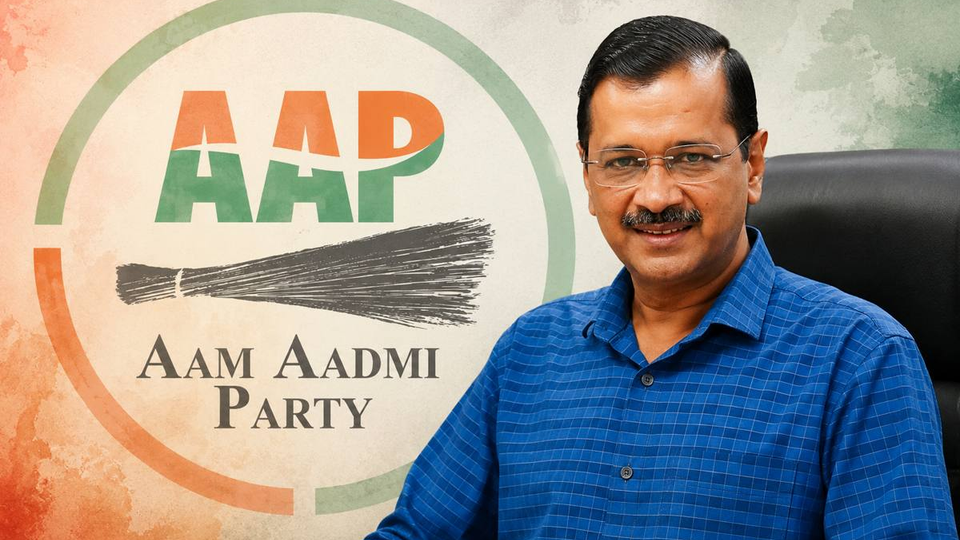
The Delhi High Court on May 20, 2026, dismissed a Public Interest Litigation (PIL) seeking de-registration of the Aam Aadmi Party (AAP) and disqualification of its senior leaders, including Arvind Kejriwal, Manish Sisodia and Durgesh Pathak, from contesting elections.
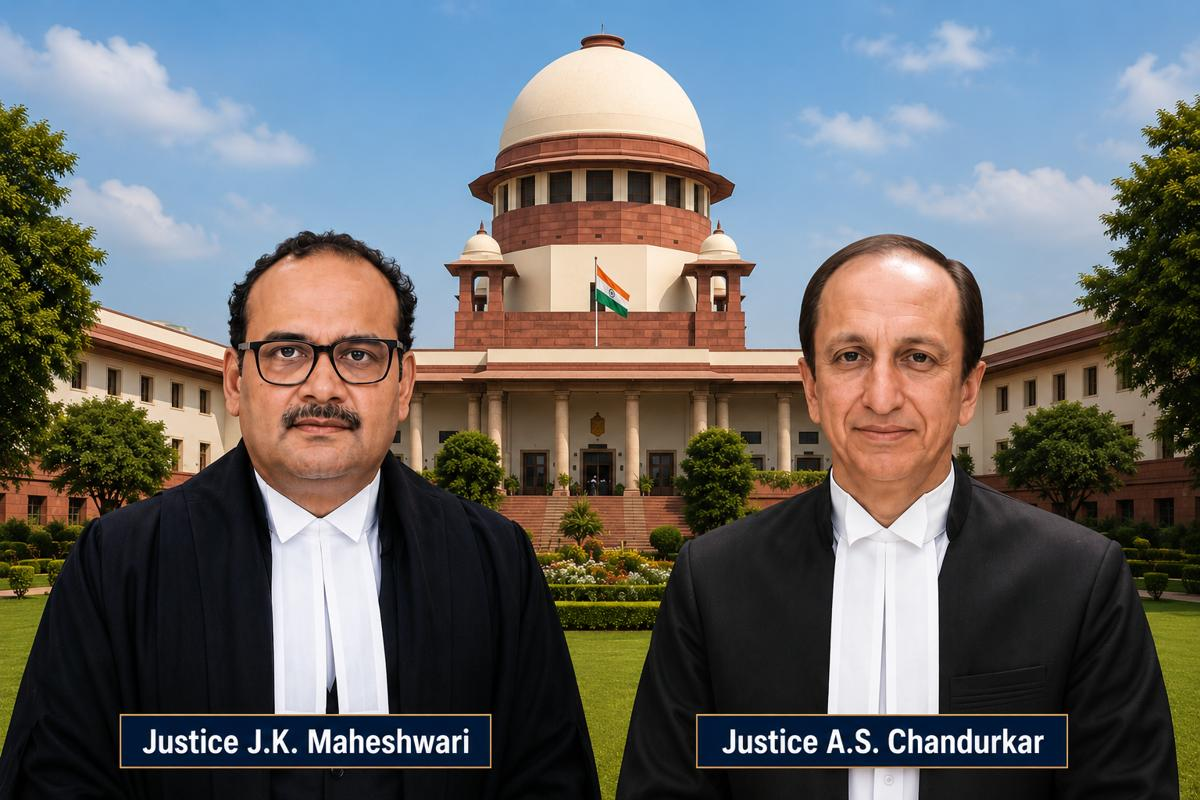
A division bench comprising Chief Justice Devendra Kumar Upadhyaya and Justice Tejas Karia termed the plea “highly misconceived” and rejected the petitioner’s argument that the contempt proceedings initiated against AAP leaders reflected a lack of allegiance to the Constitution.
The petition, titled SH. SATISH KUMAR AGGARWAL v. UNION OF INDIA & ORS., was filed by Satish Kumar Aggarwal. It sought directions to the Election Commission of India (ECI) to de-register AAP and disqualify its leaders from contesting elections.
Court Rejects Plea Based on Contempt Proceedings
The PIL relied heavily on an earlier order passed by Justice Swarana Kanta Sharma initiating criminal contempt proceedings against the AAP leaders for allegedly refusing to participate in court proceedings.
The petitioner argued that such conduct undermined the dignity and authority of the constitutional court and amounted to a violation of Section 29A(5) of the Representation of the People Act, 1951, which requires political parties to bear true faith and allegiance to the Constitution of India, socialism, secularism, democracy, sovereignty, unity and integrity of India.
Rejecting the contention, the bench observed:
“Such submission is absolutely baseless and bereft of any consideration.”
The Court clarified that observations made in the contempt order were confined only to the subject matter of that case and could not be stretched to seek de-registration of a political party.

Table of Contents
No Power With ECI To Review Party Registration: Delhi HC
During the hearing, the bench repeatedly questioned the petitioner regarding the statutory basis for de-registration of a political party.
“You are asking us to direct ECI to deregister a party. Is there any provision for de registration of a political party? If there is then what is statutory scheme for registration and de-registration? Please take us to the section,”
the Chief Justice orally remarked.
The petitioner conceded that the Representation of the People Act, 1951 does not expressly provide for de-registration of political parties. However, reliance was placed on the Supreme Court judgment in Indian National Congress (I) Vs. Institute of Social Welfare.
Referring to the 2002 ruling, the High Court reiterated that the ECI can de-register a political party only in three exceptional circumstances:
- Where registration was obtained by fraud;
- Where the party amends its nomenclature contrary to Section 29A(5) of the RP Act;
- Where the party itself intimates that it no longer has faith in the Constitution.
In its order pronounced in open court, the bench observed:
“The law settled by the Supreme Court in Indian National Congress (I) Vs. Institute of Social Welfare (2002) is that no proceedings for de-registration can be taken by commission against party for having violated provisions of Representation of Peoples Act on complaint of a person. It has been observed that commission while exercising its powers to register a party, acts as quasi judicial authority and decision rendered by it is an order and once party is registered, no power of review is with the ECI.”
‘Too Far Fetched’: Court Rejects Constitutional Allegiance Argument
The petitioner attempted to invoke the third exception by arguing that the conduct of AAP leaders in the contempt proceedings demonstrated lack of faith in the Constitution.
The Court, however, termed the argument “too far fetched” and held that there was nothing on record showing that AAP had ever intimated the ECI that it ceased to have faith in the Constitution.
The bench further stated:
“The counsel for Petitioner has urged court that manner in which respondents (AAP leaders) have conducted themselves in proceedings of that case will amount to undermine authority or majesty of this court and thus such ground is enough for de-recognition of party. In a situation where any such conduct or act is found and established where individual undermines dignity of court, appropriate course in law is available under contempt of court act. Such observations made in April 20 order cant be basis of asking ECI yo deregister the party (AAP).”
The Court also clarified that contempt proceedings against individuals cannot automatically translate into de-registration of a political party or electoral disqualification.
The PIL was accordingly dismissed.

LATEST POSTS: