
Supreme Court Imposes ₹25,000 Cost on Centre for Unnecessary Litigation in CISF Constable Election Case
Supreme Court Pulls Up Union for Being “Biggest Litigant”
In a significant development highlighting concerns over excessive government litigation, the Supreme Court of India on April 1, 2026, imposed costs of ₹25,000 on the Union of India while dismissing its Special Leave Petition in Union of India v. Sukhwinder Singh (SLP (C) No. 12124/2026).
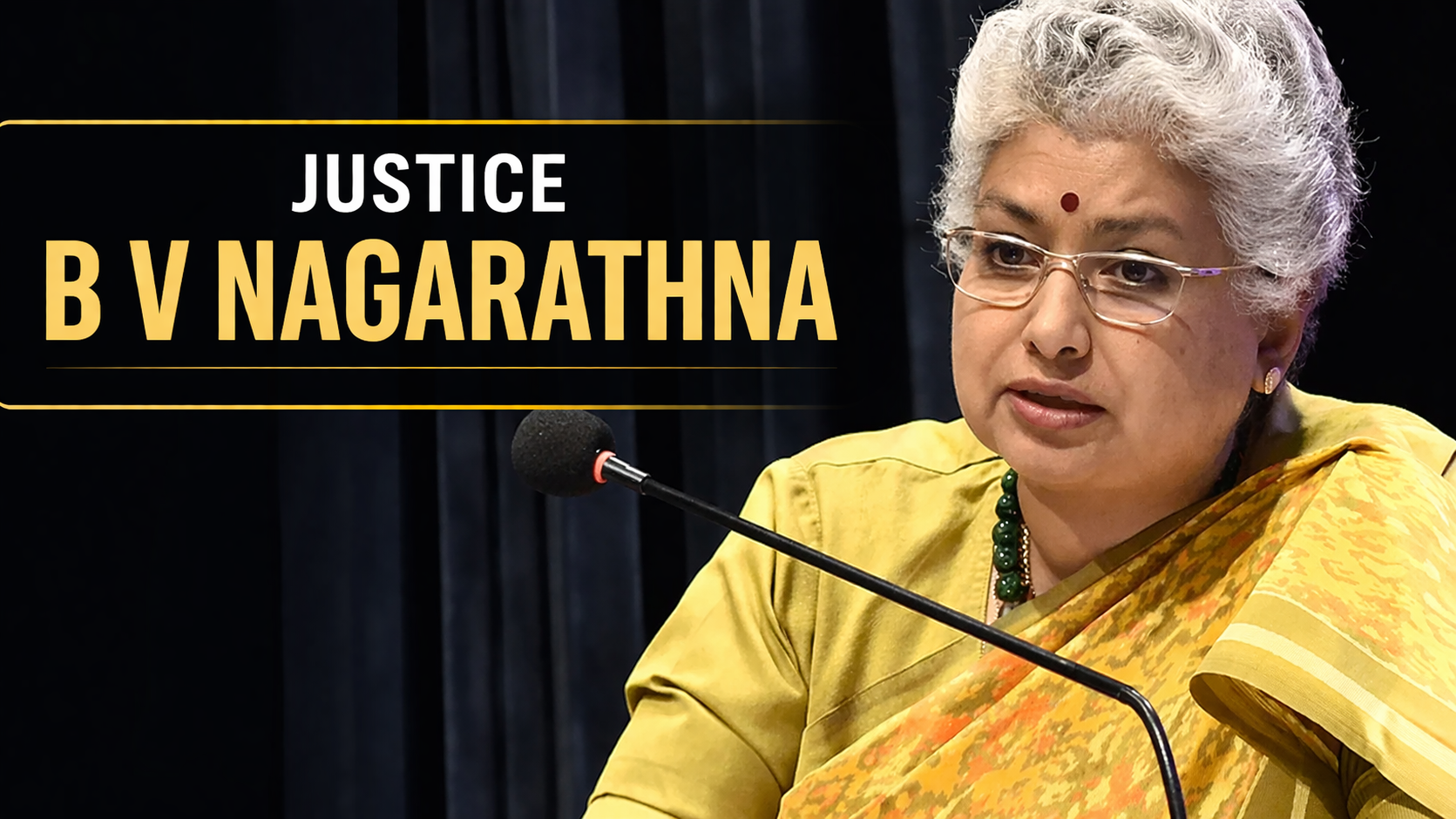
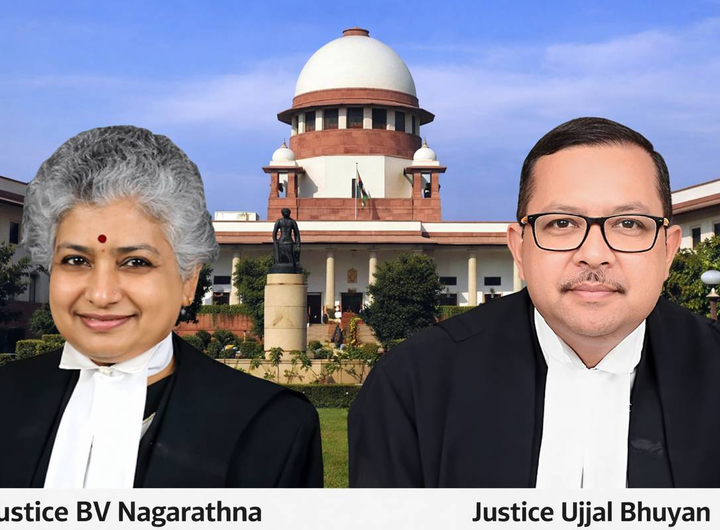
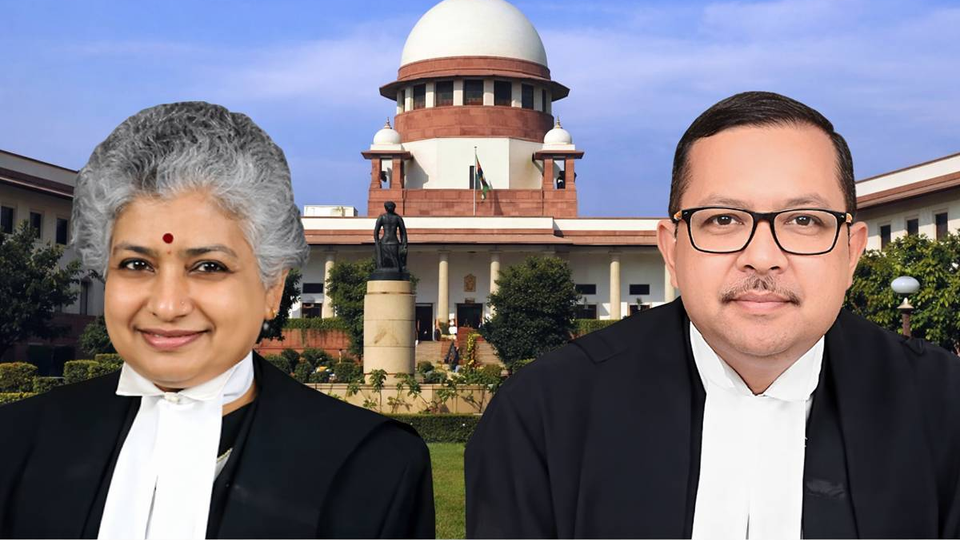
A Bench comprising Justice BV Nagarathna and Justice Ujjal Bhuyan strongly criticised the Centre for pursuing unnecessary litigation despite clear findings by the Punjab and Haryana High Court.
The Court observed:
“We fail to understand why the Union of India and others have approached this court by assailing the order of the Division Bench of the High Court. We dismiss this SLP with cost of Rs. 25000”.
Background of the Case
The case arose from disciplinary proceedings against a CISF constable who had been dismissed from service after approximately ten years. The charges included:
- Unauthorised absence from duty for 11 days; and
- Alleged misconduct in facilitating the elopement and marriage of a woman with his younger brother at Arya Samaj Mandir, Raipur.
Notably, the period of absence coincided with sanctioned medical leave, although the constable was not available during inspection. In the disciplinary proceedings, the woman concerned stated she had no grievance, and it was undisputed that she had voluntarily married the constable’s brother.
A Single Judge of the High Court set aside the dismissal order and directed reinstatement with continuity of service. The Division Bench upheld this decision, finding no illegality or perversity and concluding that no misconduct was made out.
Despite these concurrent findings, the Union of India approached the Supreme Court.
Table of Contents
Supreme Court’s Strong Observations on Government Litigation
The Bench expressed strong disapproval of the Union’s decision to challenge the High Court’s ruling, particularly in light of judicial backlog concerns.
Justice Nagarathna remarked:
“We keep shouting pendency, pendency. Who is the biggest litigant? High court granted him relief. Instead of giving opinion that you will not go to Supreme Court, you still proceed against him. We do not find any reason whatsoever to interfere with the impugned order. We fail to understand as to why the Union of India and others have approached this Court”.
The Court further emphasised that government authorities must exercise restraint and seek proper legal opinion before filing appeals in such matters. Justice Nagarathna stated:
“Why can’t the law officer be of the opinion for the absence of 11 days, dismissal is disproportionate, the High Court has granted relief setting aside all the orders, and we shall not go to the Supreme Court? Instead of giving such an opinion, you will proceed against him?”
Consideration of Personal Circumstances
During the hearing, the Court also took into account the personal circumstances surrounding the constable’s absence. Justice Nagarathna observed:
“Do you know the tension of a family if there is an elopement? He had to set right his family, get them married, and he returned after that.”
This observation underscored the Court’s view that the punishment of dismissal was disproportionate in the given facts.
Issue of Back Wages and “No Work, No Pay”
The Union’s counsel argued against the grant of back wages, invoking the principle of “no work, no pay,” especially since the matter had remained pending for six years. However, the Court declined to interfere with the High Court’s decision granting 25% back wages and proceeded to dismiss the SLP with costs.
Reference to SCBA Conference and Judicial Backlog
Justice Nagarathna also referred to discussions at a recent conference organised by the Supreme Court Bar Association, stressing that such deliberations were meaningful and intended to address systemic issues.
She remarked:
“We have taken the conference very seriously. It was not just to go to some resort and come back. We made preparations, we did homework. We spoke. Not to forget”.
Previously, she had also highlighted:
“Government is the single largest litigator, we are carrying the burden of the evasiveness of the government in the judicial system. The government publicly expresses concern about judicial backlog while simultaneously feeding that backlog through relentless litigation”
Conclusion
The ruling reinforces the Supreme Court’s stance against unnecessary government litigation and sends a clear message that frivolous appeals will attract costs. By upholding the High Court’s findings and penalising the Union, the Court has once again stressed the need for responsible litigation practices by the State.
ALSO READ:-“Calcutta High Court Dismisses PIL Challenging ECI Transfers Ahead of West Bengal Elections:”
LATEST POSTS