


Supreme Court Strikes Down Maternity Benefit Limit for Adoptive Mothers Under Social Security Code
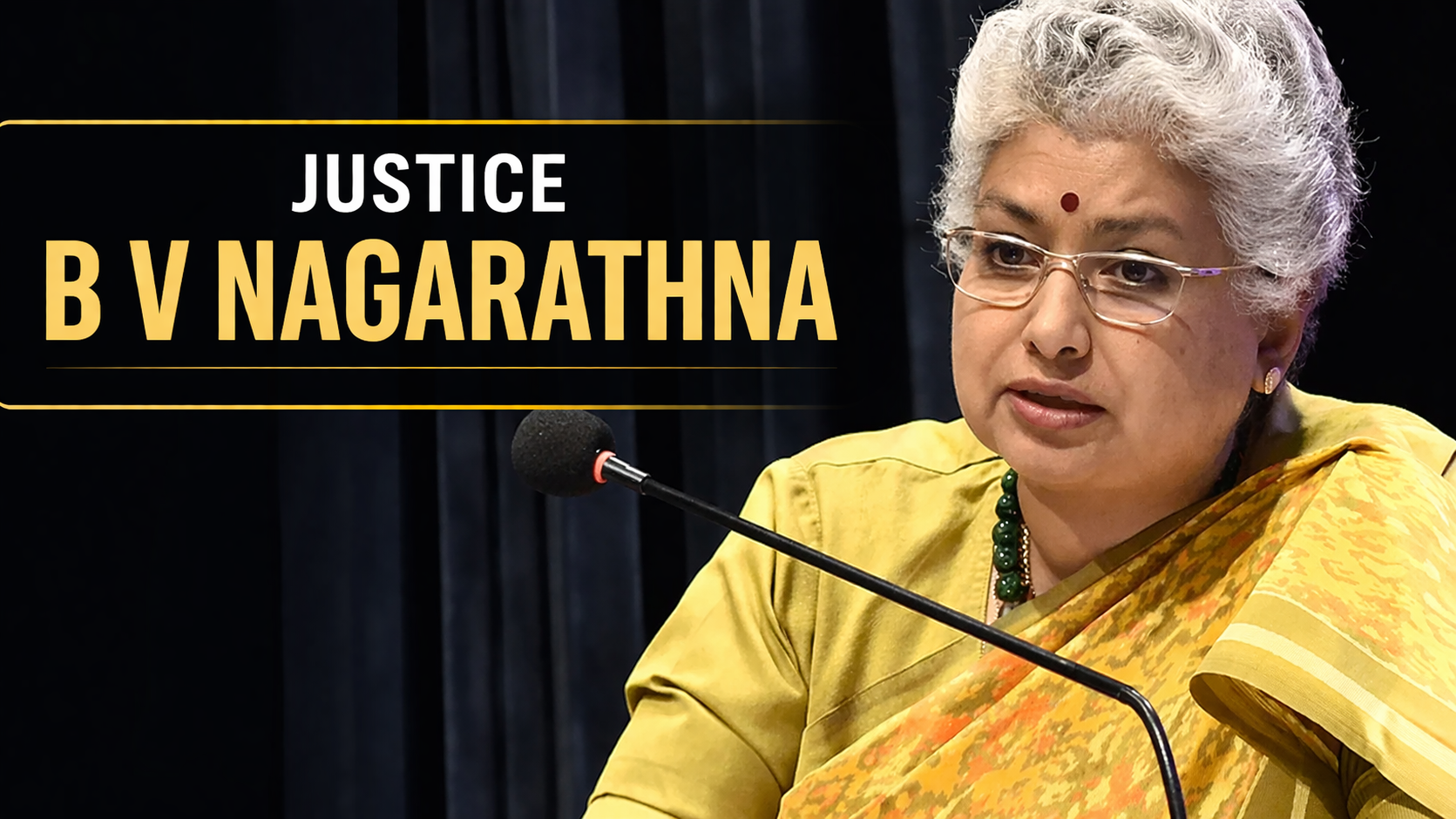
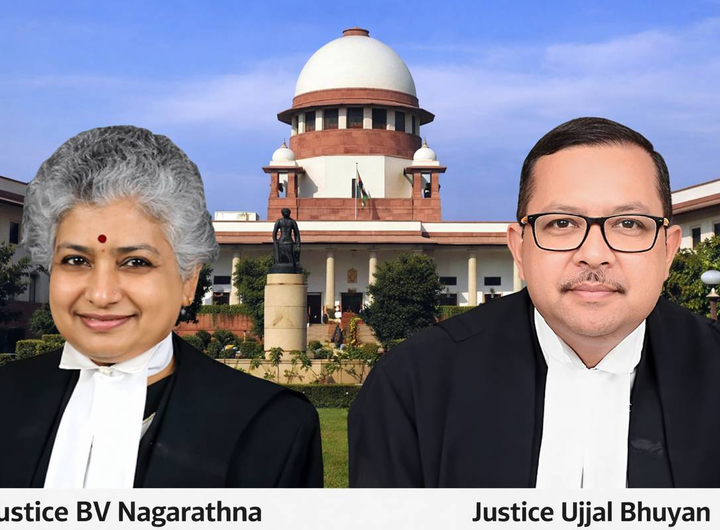
Strengthening the rights of adoptive mothers, on tuesday the Supreme Court of India has struck down Section 60(4) of the Code on Social Security, 2020, which restricted maternity benefits only to those adoptive mothers who adopted a child below three months of age. The ruling marks a significant step toward ensuring equality and dignity in parental rights.
Background of the Case
The case, Hamsaanandini Nanduri v. Union of India, challenged the constitutional validity of Section 60(4), which provided maternity leave of 12 weeks only if the adopted child was below three months. This provision effectively excluded a vast majority of adoptive mothers due to procedural delays in adoption.
The petitioner contended that the restriction was arbitrary and violative of Articles 14, 19(1)(g), and 21 of the Constitution. Highlighting practical realities, it was argued that completing the legal process of adoption within three months of a child’s birth is nearly impossible.
Table of Contents
Supreme Court’s Key Observations
The Court categorically held the provision unconstitutional, emphasizing that such a classification lacks any reasonable nexus with the objective of maternity benefits.
The Bench observed:
“There is no rational basis for confining the benefit only to adoptive mothers of children below the age of three months.”
It further stressed:
“The provision is manifestly arbitrary and violative of Article 14 of the Constitution.”
Recognizing the importance of maternity leave beyond biological childbirth, the Court stated:
“Maternity leave is not merely a benefit for biological mothers but is intended to ensure that the mother can take care of the child and develop a bond.”
Discrimination Against Adoptive Mothers
The Court found that the provision created unjustified discrimination not only among adoptive mothers but also between adoptive and biological mothers.
Importantly, the Bench noted:
“The classification between adoptive mothers based on the age of the child is not founded on any intelligible differentia.”
It also acknowledged that children adopted after three months often require equal, if not greater, care and emotional support.
Continuity from the 1961 Act
Addressing the legislative framework, the Court observed that the impugned provision was carried forward from the earlier law without reconsideration.
The Court recorded:
“Section 60(4) of the Code is pari materia to Section 5(4) of the Maternity Benefit Act, 1961.”
Further, it noted:
“With effect from 21.11.2025, the Maternity Benefit Act, 1961 stands repealed.”
This continuity, the Court implied, perpetuated an unconstitutional restriction without reassessing its validity.
Recognition of Practical Challenges
The judgment also took into account the realities of the adoption process. The Court acknowledged that procedural requirements, including registration, verification, and legal formalities, make it extremely difficult to adopt a child within three months of birth.
The Bench emphasized that denying maternity benefits in such circumstances defeats the very purpose of welfare legislation.
A Step Toward Inclusive Parenthood
In a progressive interpretation of social welfare laws, the Court underlined that maternity benefits must be extended in a manner that reflects evolving family structures.
It observed:
“The benefit of maternity leave must be extended in a manner that advances the object of the legislation and not defeats it.”
Conclusion
By striking down the restrictive provision, the Supreme Court has ensured that adoptive mothers are not denied essential maternity benefits based on arbitrary age criteria. The ruling reinforces the principles of equality, dignity, and inclusivity, and aligns the law with the realities of modern parenthood and adoption practices.
ALSO READ:-“Court Orders Apple India to Pay ₹1 Lakh Compensation After iPhone Tracking Feature Failed“
LATEST POSTS