
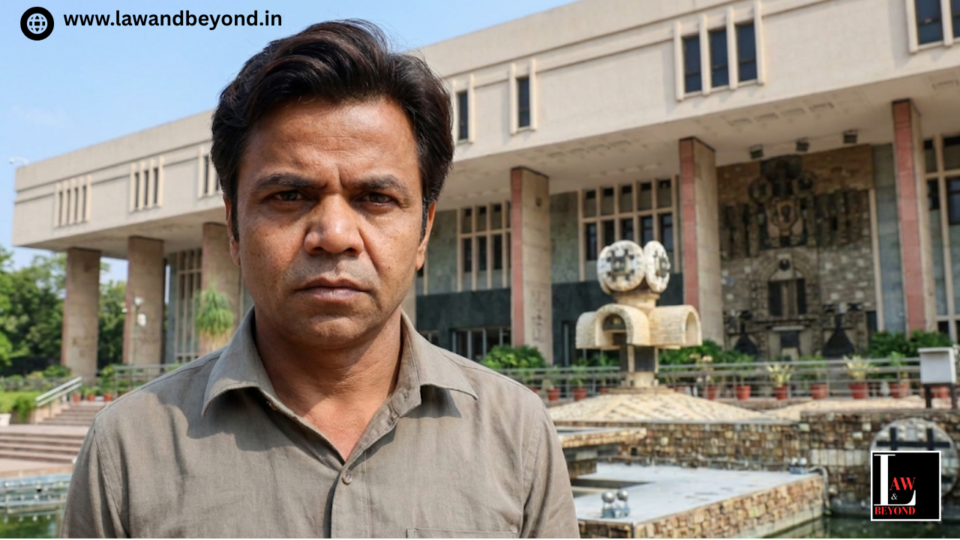
Delhi High Court on Rajpal Yadav Jail: “You Didn’t Honour Your Commitment” in ₹9 Crore Cheque-Bounce Case
Rajpal Yadav Remains in Tihar Jail after Delhi High Court Rebukes Him for Failing to Honour Commitments in ₹9 Crore Cheque-Bounce Case
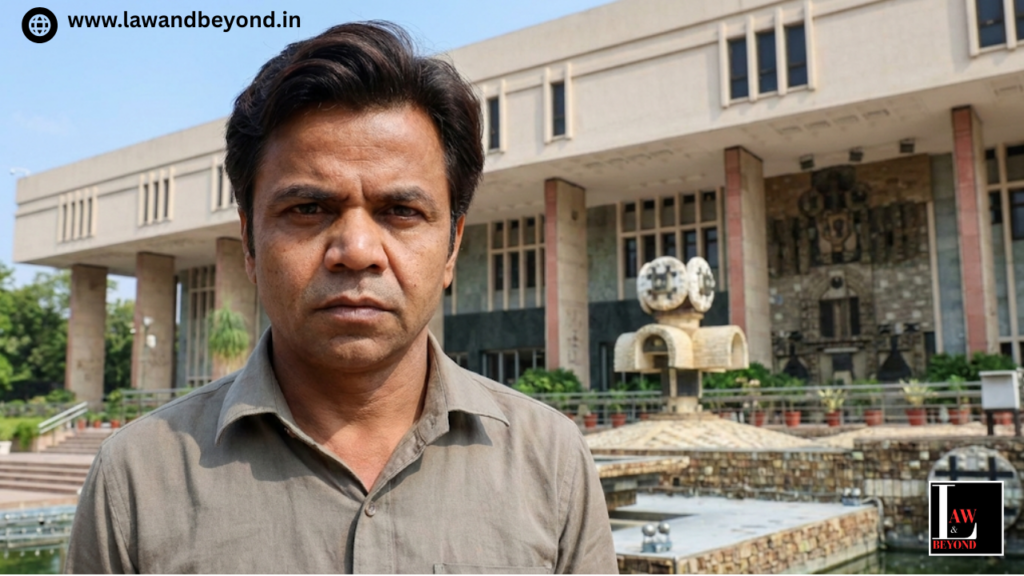
Bollywood actor Rajpal Yadav has been ordered to continue serving time in Tihar Jail after the Delhi High Court declined his latest plea for bail and rejected requests for further extensions to settle outstanding debts related to a long-standing cheque-bounce case worth approximately ₹9 crore. Yadav surrendered to jail authorities earlier this month following the court’s refusal to grant him additional time to honour his repayment commitments.
This legal drama stems from a 2010 financial dispute in which Yadav, then expanding into film production, received funds linked to his directorial debut Ata Pata Laapata. Those funds later became disputed in civil litigation and criminal proceedings after several repayments were made with cheques that subsequently bounced, leading to enforcement under India’s Negotiable Instruments Act.
Table of Contents
Court’s Stark Observations:
“You Have Gone to Jail Because You Didn’t Honour Your Commitment”
During the recent bail hearing before a bench led by Justice Swarana Kanta Sharma, the High Court delivered a piercing reprimand that encapsulated its reasoning for continuing Yadav’s imprisonment. The court observed,
“You have gone to jail because you didn’t honour your own commitment.”
It further noted that on “at least two dozen occasions,” Yadav had assured the judiciary he would make payments but ultimately did not fulfil those promises.
Justice Sharma’s remarks underlined a core legal principle — that voluntary undertakings made before the court carry binding weight. The bench emphasised that Yadav’s incarceration was a direct consequence of his own failure to comply with commitments first acknowledged in court proceedings, not simply the existence of a court order.
According to the High Court’s directions earlier in the case, Yadav was required to deposit ₹1.35 crore in each of the seven separate disputes tied to this matter. However, because he did not comply with the payment schedule or subsequent repayment obligations, the bench refused a further extension and insisted he surrender to serve the sentence already pronounced.
The bail hearing was adjourned until February 16, 2026, after his counsel attempted to file bail applications and detailed plans for future payments.
Yadav’s Emotional Statement and Legal Context
Before surrendering to authorities, Yadav made a heartfelt statement that captured the personal strain of the situation. He said,
“Sir, kya karoon? Mere paas paise nahin hain (Sir, what should I do? I don’t have any money to pay back). Aur koi upaay nahin dikhta (I can’t see another way out). Sir, yahan hum sab akele hain. There are no friends. I have to deal with this crisis on my own.”
His words highlighted both his financial distress and emotional vulnerability during the legal ordeal.
Though details about the original dispute vary slightly in media reports, many note that the initial borrowed amount was roughly ₹5 crore, which expanded over time due to legal costs, interest and penalties to around ₹9 crore. Subsequent cheque-bounce complaints against Yadav and his inability to settle the liabilities triggered repeated court interventions and ultimately led to his imprisonment.
Support from Film Fraternity and Public Reactions
The legal battle has drawn solidarity from prominent figures in the film industry. Senior actor Sonu Sood offered Yadav a role in an upcoming production, emphasising that the support was not charity but “dignity,” urging the industry to stand by a colleague in need. Other stars including Salman Khan, Ajay Devgn, Varun Dhawan and Guru Randhawa have also contributed or pledged support.
Singer Mika Singh has pledged ₹11 lakh to assist Yadav, while his wife Radha Yadav publicly expressed gratitude for the industry’s collective help, stating,
“Everybody has stood by him. The industry has been supportive.”
Meanwhile, a close friend defended the actor’s intentions, adding,
“His intentions are absolutely clean, he will repay every single rupee.”
What It Means for Legal and Public Accountability
The Delhi High Court’s approach in Rajpal Yadav’s case underscores a broader legal message: commitments made in judicial settings — especially financial undertakings — are enforceable and non-compliance can result in strict consequences irrespective of the individual’s public status. The refusal to grant repeated extensions reinforces the judiciary’s stance on compliance, accountability and the rule of law in cheque-bounce and debt enforcement matters.