
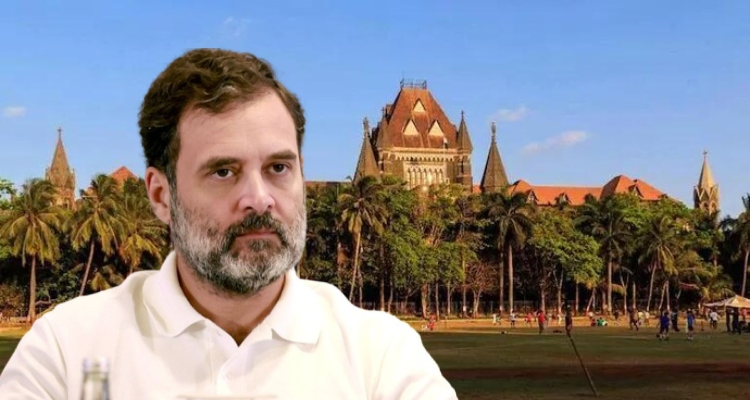
Rahul Gandhi
Bombay High Court Reserves Verdict on Rahul Gandhi’s Plea to Quash Defamation Case Over PM Modi Remarks
Bombay High Court reserves judgment on Rahul Gandhi’s petition to quash a criminal defamation case over “Chowkidar Chor” and related remarks about PM Narendra Modi. Key legal issues on locus standi, Section 499 IPC, and political speech explained.
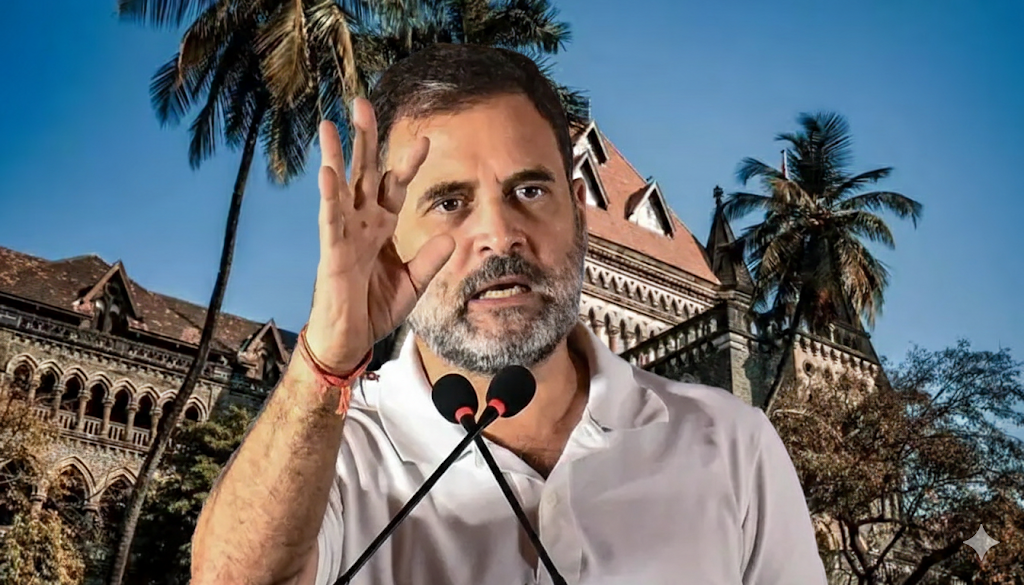
The Bombay High Court has reserved its verdict on a petition filed by Congress leader Rahul Gandhi seeking to quash a criminal defamation complaint lodged against him over remarks allegedly made against Prime Minister Narendra Modi.
Justice N.R. Borkar heard detailed submissions from both sides before reserving the matter for judgment. The Court also continued the interim protection granted earlier to Gandhi, ensuring that no coercive action will be taken against him until the final verdict is delivered.
Table of Contents
Background of the Defamation Case
The complaint was filed by Mahesh Hukumchand Shrishrimal, a BJP worker, before a Metropolitan Magistrate court in Girgaon, Mumbai. The complainant alleged that during a political rally in 2018, Gandhi used expressions such as “Chowkidar Chor Hai”, “Choro Ke Sardar” and “Commander-in-Thief” in reference to the Prime Minister.
According to the complainant, these statements not only defamed the Prime Minister but also tarnished the image of BJP members by portraying them as “thieves”. The Magistrate subsequently issued summons to Gandhi, prompting him to approach the High Court under Section 482 of the Code of Criminal Procedure, 1973, seeking quashing of the proceedings.
Arguments on Locus Standi and Defamation Law
Gandhi’s counsel argued that the complaint was legally unsustainable as the complainant lacked locus standi. It was contended that under Explanation 2 to Section 499 of the Indian Penal Code, 1860, only a “person aggrieved” can initiate a defamation complaint, and a political party or its members do not automatically qualify as an identifiable group unless clearly specified.
Senior Advocate Sudeep Pasbola, appearing for Gandhi, submitted:
“In the absence of a clearly aggrieved person or group, the complainant lacked locus standi to prosecute the case… merely drawing an interpretation that the statement applied to party workers cannot sustain a criminal defamation action.”
It was further argued that the statements were part of political speech made during an election campaign and did not refer to any specific, definite, or identifiable class of persons as required under criminal defamation jurisprudence.
On the other hand, Maharashtra Advocate General Milind Sathe opposed the plea and maintained that the essential ingredients of defamation under Sections 499 and 500 IPC were satisfied. He submitted that if a statement affects an identifiable and ascertainable group, a member of that group can legitimately initiate proceedings. The prosecution emphasized that the Magistrate had correctly applied the judicial mind before issuing the summons.
Legal Significance
The case raises important questions about the scope of criminal defamation in India, especially in the context of political discourse. It also examines the threshold required to establish that a complainant represents an identifiable class under Explanation 2 to Section 499 IPC.
The High Court’s forthcoming decision is expected to clarify:
- Whether a political party worker can maintain a defamation complaint based on remarks directed at the Prime Minister.
- The extent to which political slogans and campaign rhetoric attract criminal liability.
- The parameters governing quashing of defamation proceedings under Section 482 CrPC.
The outcome will likely have broader implications for political speech, freedom of expression, and the application of criminal defamation law in electoral contexts.