
Bombay High Court Slaps ₹50,000 Fine on Litigant for Filing AI-Generated, Non-Existent Case Law in Court Submissions
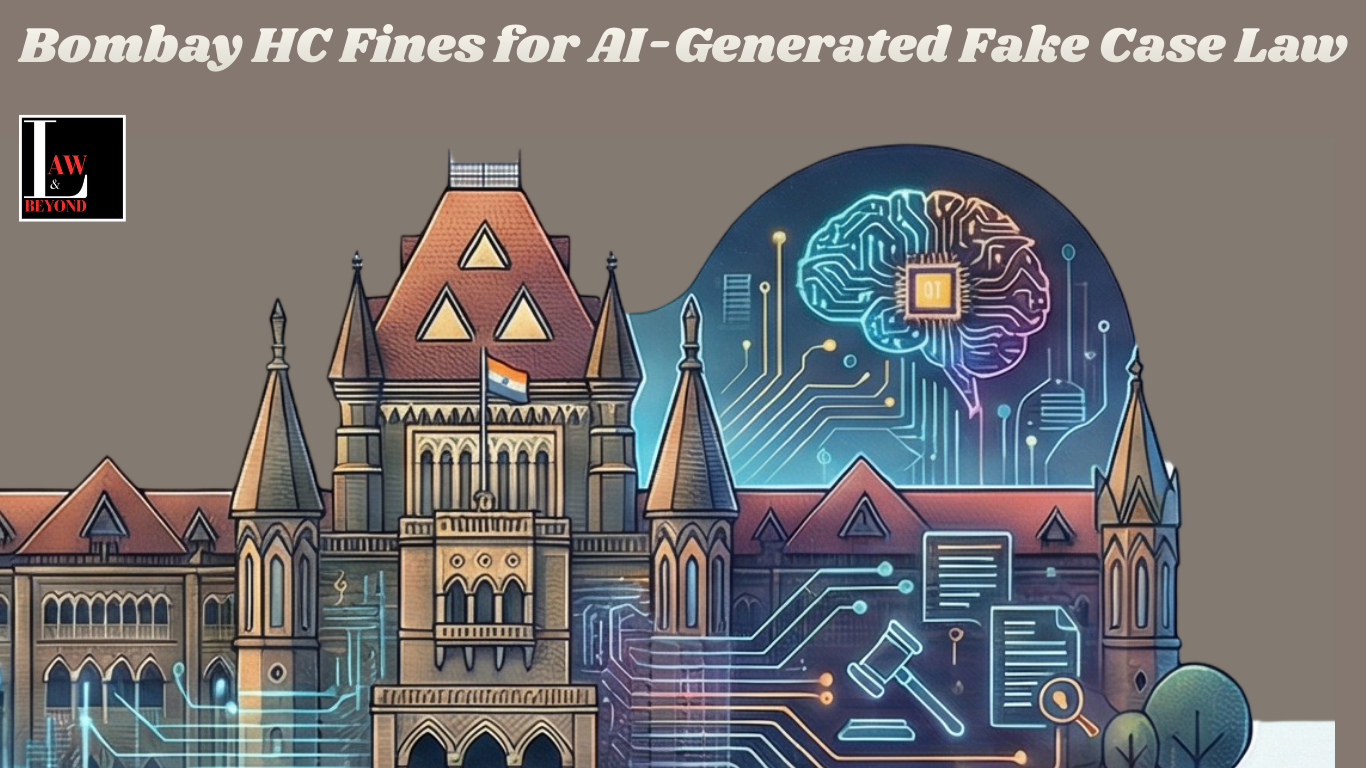
Mumbai, India — In a significant judgment highlighting the risks of unverified artificial intelligence use in legal filings, the Bombay High Court has imposed costs of ₹50,000 on a litigant for submitting AI-generated legal arguments that cited a non-existent judgment.
Table of Contents
The order, delivered by Justice M.M. Sathaye, came in a dispute involving a leave and license agreement over a residential flat in Mumbai’s Oshiwara area. The Bench criticized the respondent for what it described as “dumping unverified” AI content on the Court, forcing the judiciary to waste valuable time trying to trace case law that does not exist.
Court Condemns Unverified AI Submissions
While upholding the eviction order against the licensee and setting aside the Revisional Authority’s earlier ruling, the High Court made strong observations about the irresponsibility of relying solely on AI-generated submissions without proper verification.
From the order:
“If an AI tool is used in aid of research, it is welcome; however, there is great responsibility upon the party, even an advocate using such tools, to cross verify the references and make sure that the material generated by the machine/computer is really relevant, genuine and in existence.”
The Court added that submitting such material “is not assistance to the Court. This is a hurdle in swift delivery of justice.”
Justice Sathaye noted telltale signs that the written submissions had been produced using tools like ChatGPT, including repetitive phrasing, green box tick-marks, and bullet-point formatting — features increasingly associated with automated generation.
The Troubled Case: AI and Non-Existent Law
The contentious document cited a case titled Jyoti w/o Dinesh Tulsiani vs Elegant Associates. However, neither the Court nor its clerks could trace any record of this judgment in official databases or legal repositories.
In its detailed reasoning, the court said:
“This practice of dumping documents / submissions on the Court and making the Court go through irrelevant or non-existing material must be deprecated and nipped at bud.”
The litigant, representing Heart & Soul Entertainment Ltd in person, filed submissions in a Rent Control dispute but ultimately failed to justify reliance on the AI-generated content.
Why This Matters for Legal Practice
Although the court did not discourage the use of AI in legal research outright, it urged caution among litigants and advocates. The judgment makes clear that while tools like ChatGPT can be “welcome” when properly vetted, “cross verifying references” remains the user’s responsibility — especially when filing documents with a court.
The fine of ₹50,000 has been directed to the High Court Employees Medical Fund and must be paid within two weeks.
Judicial Pushback Against Misuse of Technology
Legal circles have taken note of the High Court’s firm stance as technology becomes more embedded in legal workflows. This case serves as a reminder that courts expect human oversight and accuracy, not blind reliance on machine outputs — especially when issuing binding legal submissions.
READ THIS: “Understanding the New Data Protection Bill 2024: A Comprehensive Analysis”