
Introduction
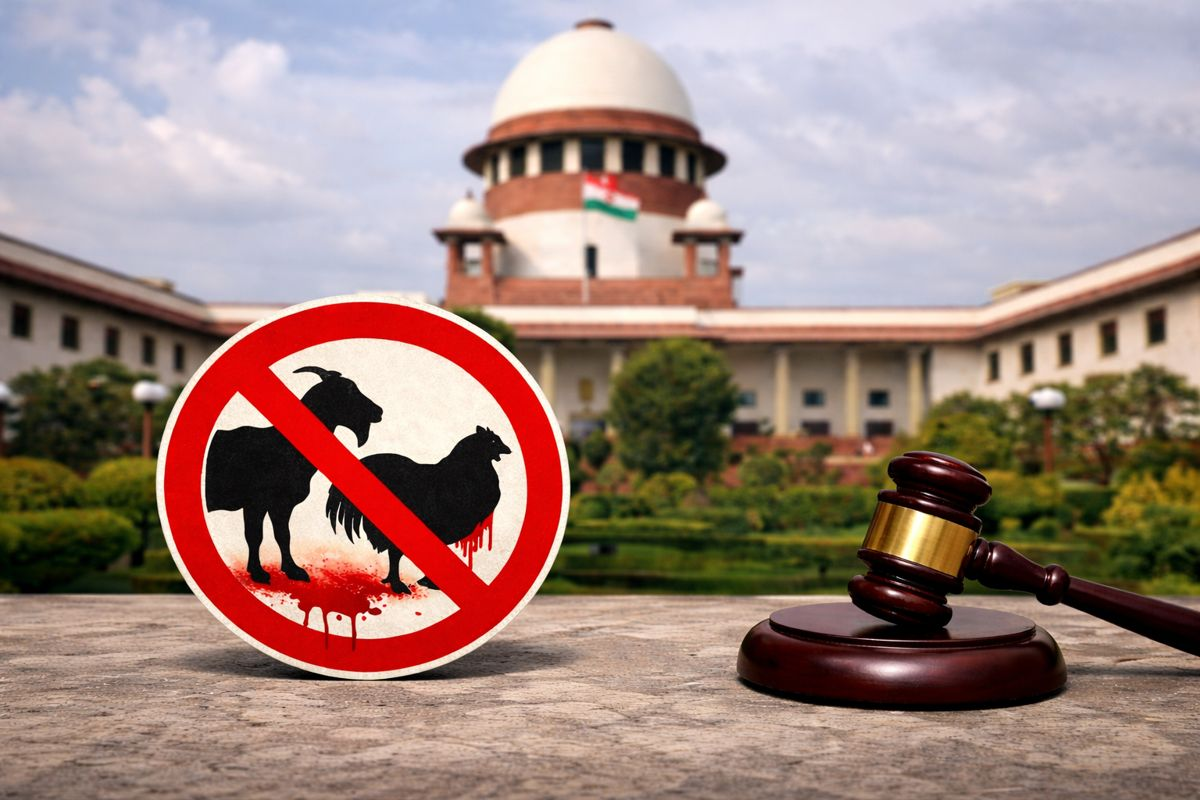
The Supreme Court of India has issued notice on a Public Interest Litigation (PIL) seeking a nationwide ban on the killing of animals in the name of religion, particularly in temples and other places of worship. The plea raises serious concerns about animal cruelty and calls for strict enforcement of animal protection laws. Taking note of the matter, the Court has sought responses from the Union Government and other authorities, initiating judicial scrutiny over the practice of animal sacrifice as part of religious rituals.
Supreme Court Issues Notice on PIL Seeking Ban on Animal Sacrifice in Temples
Supreme Court Seeks Centre’s Response
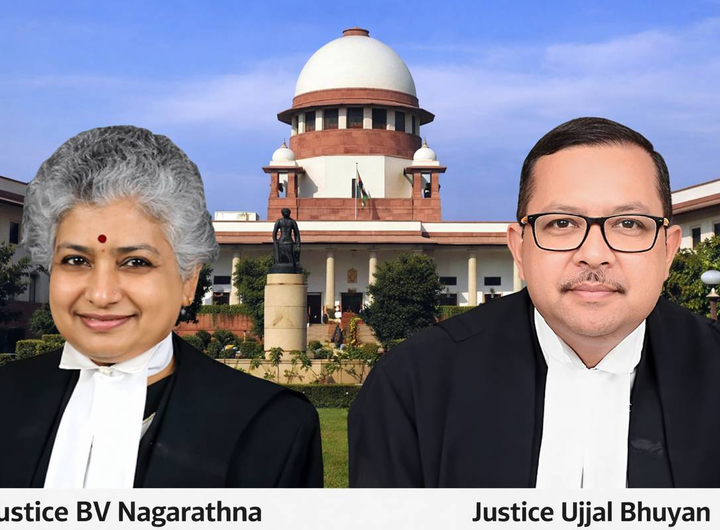
A Bench of the Supreme Court issued notice to the Union Government while hearing a PIL seeking directions to prohibit the ritualistic killing of animals in temples and other religious places. The petition argues that the continued practice of animal sacrifice violates statutory animal welfare protections and constitutional principles encouraging compassion toward living beings.
The petitioner has sought directions to authorities to prevent such practices and ensure the strict implementation of existing laws, particularly the Prevention of Cruelty to Animals Act, 1960.
The Bench, while considering the matter, agreed to examine the issues raised in the plea and asked the Centre to file its response.
Table of Contents
Plea Alleges Violation of Animal Welfare Laws
According to the petition, the practice of animal sacrifice continues in many parts of the country due to weak enforcement of animal welfare legislation. The petitioner contends that authorities have failed to effectively implement provisions of the Prevention of Cruelty to Animals Act, 1960.
The plea argues that killing animals as part of ritual offerings is incompatible with the spirit of laws enacted to prevent cruelty to animals. It also urges the Court to issue directions to authorities to curb such practices in temples and other religious institutions.
Religious Interpretations Misused: Petition
The petition also argues that religious narratives are often misinterpreted to justify animal sacrifice. According to the petitioner, Hindu philosophical traditions emphasise compassion toward all living beings rather than their destruction.
The plea states that stories describing the slaying of demons in Hindu scriptures are symbolic in nature and should not be interpreted as justification for ritual killing of animals.
The petition further points out that Lord Shiva is revered as “Pashupati”, the protector and lord of animals, highlighting the spiritual principle of compassion toward all living creatures.
Constitutional and Legal Arguments
The petitioner has also relied on constitutional principles to support the plea. It argues that citizens have a duty under the Constitution to show compassion toward living creatures and that the State must ensure enforcement of laws protecting animals.
At the same time, the matter raises questions about the scope of religious freedom guaranteed under Article 25 of the Constitution. While religious practices are protected, they may still be subject to considerations of public order, morality and health.
Supreme Court Notes Legal Dichotomy
During earlier discussions on similar issues, the Supreme Court had observed the legal complexities surrounding the killing of animals for consumption versus ritual purposes.
The Court had remarked:
“There is a dichotomy. Killing animals and consuming is allowed. But killing animals, offering to deity and then consuming is not allowed.”
The Bench further noted:
“The question is whether the sacrifice of animals in temples is essential to religion.”
These observations highlight the difficult balance courts must maintain between protecting religious practices and preventing cruelty to animals.
Wider Debate on Animal Sacrifice
The issue of animal sacrifice has long been debated in India. Animal rights activists argue that such practices cause unnecessary suffering and should be prohibited. On the other hand, several communities view animal sacrifice as an important religious tradition that has been followed for centuries.
Courts across the country have previously dealt with similar disputes, often attempting to balance animal welfare with religious freedoms. The present case before the Supreme Court is expected to contribute significantly to the evolving jurisprudence on the relationship between religion and animal protection laws in India.
The matter will now proceed after the Union Government and other respondents submit their replies before the Court.
LATEST POSTS