

Supreme Court Deems Fixed ₹7,000 Pay as Begar for UP Contract Teachers, Orders ₹17,000 Salary
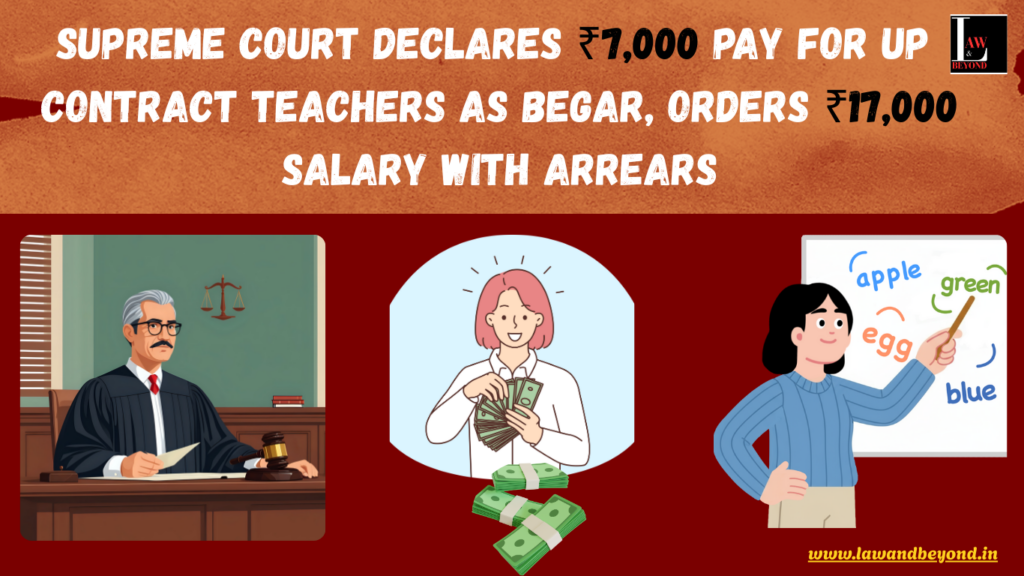
In a landmark decision aimed at upholding the rights of thousands of contractual teachers in Uttar Pradesh, the Supreme Court of India has ruled that paying primary and upper primary school instructors a fixed honorarium of ₹7,000 per month for over a decade amounts to “begar” (forced labour) prohibited under Article 23 of the Constitution. The apex court has directed the state government to pay an enhanced salary of ₹17,000 per month to eligible teachers, effective from 2017–18, along with arrears to be cleared within six months.
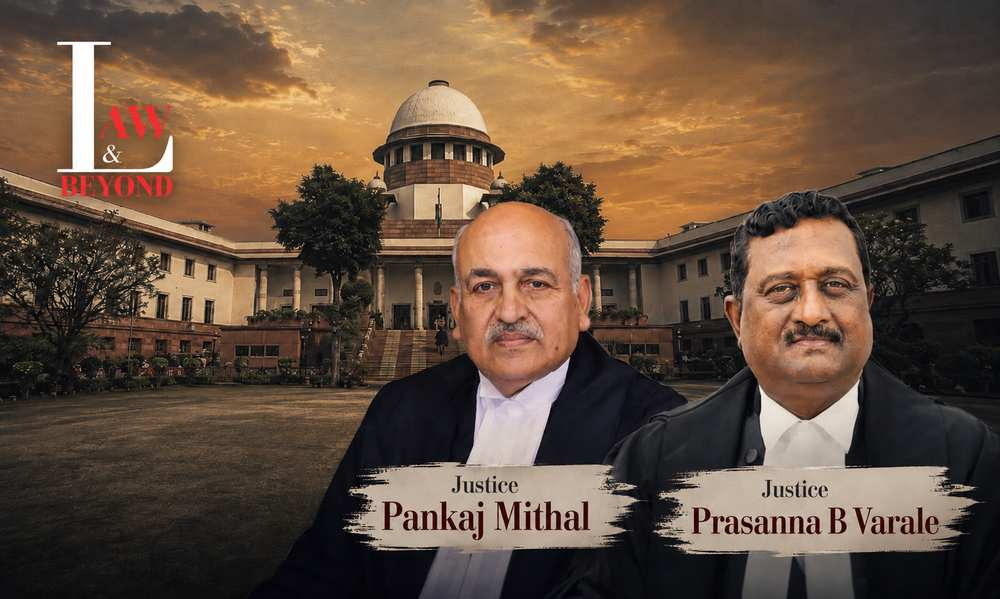
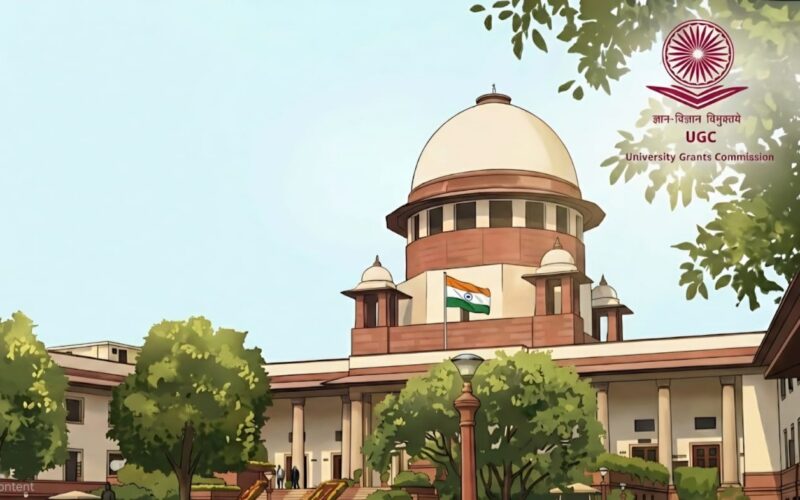
A bench comprising Justices Pankaj Mithal and Prasanna B. Varale took a stringent view of the prolonged stagnation in the honorarium paid to teachers appointed under Sarva Shiksha Abhiyan (now merged into the Samagra Shiksha Scheme). The court observed that the continued payment of a paltry ₹7,000 honorarium — which remained unchanged despite periodic approvals for enhancement — was an unfair practice and akin to bonded labour contravening fundamental rights.
The dispute traces back to a 2013 government order in Uttar Pradesh, under which part-time contractual instructors for physical education, art, and work education were appointed on 11-month contracts at a fixed honorarium of ₹7,000 per month. These instructors were prohibited from taking any other employment and continued working year after year, even after expiry of their contracts, without substantive revision in pay.
The Supreme Court highlighted the stagnant wages, years of service without pay revision, and the non-availability of alternate employment as factors that transformed the contractual nature of their work into de facto permanent contribution without commensurate compensation. The bench held:
“The appointment of the part time or contractual instructors/teachers in fact no longer remains contractual in nature once the contract period of eleven months for which they were initially appointed or the extended contract period stood expired.”
“In fact, these instructors/teachers having continued continuously for over ten years in a row are deemed to be employed permanently against deemed substantive posts, as with the passage of time and keeping in mind the continuity of the work, such posts stand automatically created.”
The court underscored that the initial burden to pay honorarium lies with the state government, which may subsequently recover funds from the Centre on the principle of “pay and recover.” It added:
“The honorarium payable to these instructors/teachers cannot be permitted to remain stagnant and the same is revisable periodically at least once in three years by the Project Approval Board or any other authority as may be determined by the Central Government/State Government…”
The state government had argued that the hike could not be implemented as the Centre failed to release its 60% share of funds under the centrally sponsored scheme. The Supreme Court rejected this defence, holding that funding arrangements between governments cannot override statutory obligations under the Right to Education Act and the imperative to pay teachers fairly. The court clarified that state authorities cannot deny payment due to funding constraints but must pay first and recover later.
Analysing the legal implications, the Supreme Court drew several important conclusions:
- The job of these instructors had ceased being purely contractual due to continuous and prolonged service.
- Restricting them to a fixed low honorarium constituted forced labour under Article 23, which protects individuals from exploitation.
- The Project Approval Board’s fixation of ₹17,000 per month in 2017–18 was binding, and payment at lower rates was unjustified.
- Honorarium must be revisable periodically, at least once in three years, to prevent stagnation.
By ordering an upliftment to ₹17,000 per month with retrospective effect, the court has addressed both financial injustice and constitutional protection against exploitative labour practices. This judgment marks a major stride in reinforcing fair pay standards for contract teachers and clarifies that contractual terms cannot be exploited to deny fundamental rights and minimum decency in wages.
CASE TITLE: STATE OF UTTAR PRADESH AND ORS. VERSUS ANURAG AND ORS.
READ JUDGEMENT
TOP POSTS
INSTAGRAM POSTS