
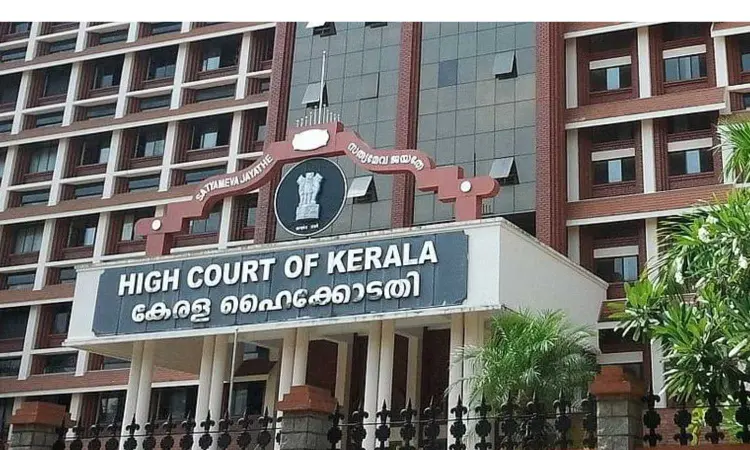
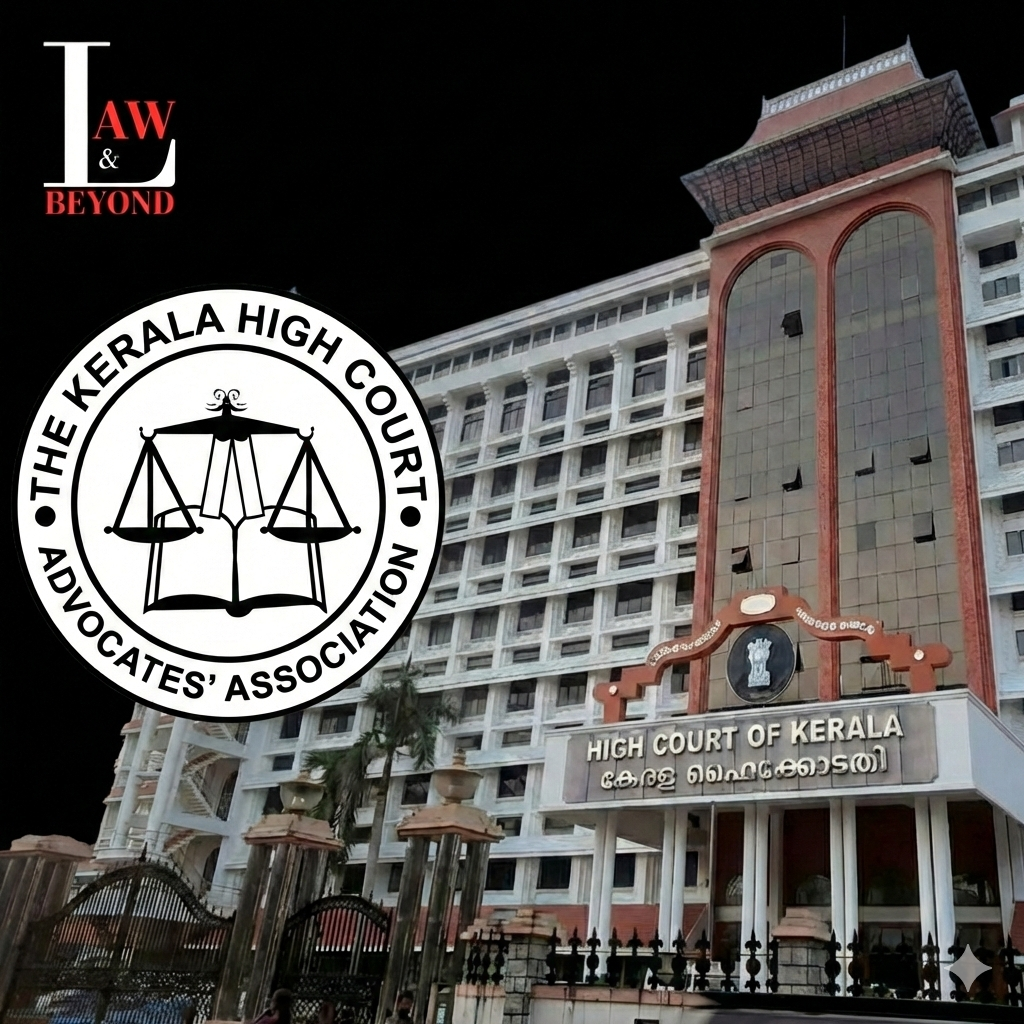
Ernakulam, Kerala – The Kerala High Court Advocates’ Association (KHCAA) has formally registered strong objections to a recent judicial administrative proposal that would introduce regular court sittings on two Saturdays each month at the Kerala High Court. The pushback highlights deep concerns over the effect on the legal profession, access to justice, and work-life balance for advocates and litigants alike.
Table of Contents
The proposal, initiated by the Chief Justice of India and examined by the State Court Management Systems (SCMS) Committee, was shared with the KHCAA by High Court Registrar General Gopakumar G. in a communication dated January 22, 2026. Under the plan, two Saturdays per month would be designated for hearing old pending cases, focusing on matters pending for over 10 or 15 years.
SCMS Recommendations to Address Pendency
According to the communication to the Bar body, the SCMS Committee recommended exclusive Saturday sittings for aged cases to help reduce the high volume of pending matters in High Courts — a concern increasingly recognised across India’s judicial landscape. The committee suggested:
- Scheduling regular hearings on two Saturdays every month;
- Prioritising cases older than 10-15 years;
- Allocating judges specifically for Saturday hearings, regardless of the regular roster;
- Excluding admission matters and fresh petitions from Saturday cause lists;
- Publishing an advance monthly provisional list of 100 cases with 20 cases cause-listed one week ahead to facilitate preparation by all stakeholders.
These reforms aim to improve judicial efficiency without overburdening weekday schedules.
KHCAA’s Strong Opposition
Responding through a letter dated January 23, 2026, the KHCAA expressed its “serious concern and strong protest” against the proposal, warning of its “far-reaching implications on the professional, personal, and institutional functioning of the Bar, as well as on access to justice, work-life balance of stakeholders, and the existing infrastructural and logistical constraints faced by advocates.”
The association stressed that this policy shift would not only impact practising advocates in Ernakulam but also those travelling from far-flung districts such as Kasaragod, Kannur, and Thiruvananthapuram. Mandatory Saturday sittings could disrupt established routines and disproportionately affect advocates who rely on work in district courts across Kerala.
KHCAA emphasised that detailed consultation and a clear mandate from its General Body should precede such a significant change. Consequently, the association has requested that views be furnished only after the next General Body meeting, and has urged the High Court administrative committee to postpone its scheduled session on January 28, 2026 to a date after January 31, allowing for broader participation and debate.
Broader Judicial Context
The KHCAA’s protest comes at a time when India’s judiciary is under intense scrutiny for pendency and delays. Across the country, judicial bodies and bar associations are exploring new case management strategies while balancing practitioners’ welfare and public access to justice. The Kerala High Court’s interaction with its Bar thus reflects a microcosm of this national conversation.
While backlogs persist, systemic changes — such as enhanced use of technology, procedural amendments, and case triaging — are also being debated in various judicial forums. The Saturday hearings proposal is one of several initiatives aimed at addressing these pressures without compromising the professional ecosystem that attorneys and litigants depend upon.
READ THIS: “Temple Priest Cannot Claim Land Ownership, Rules Gujarat High Court”