
Delhi High Court PIL Seeks Contempt Action Against Arvind Kejriwal Over Court Video Leak
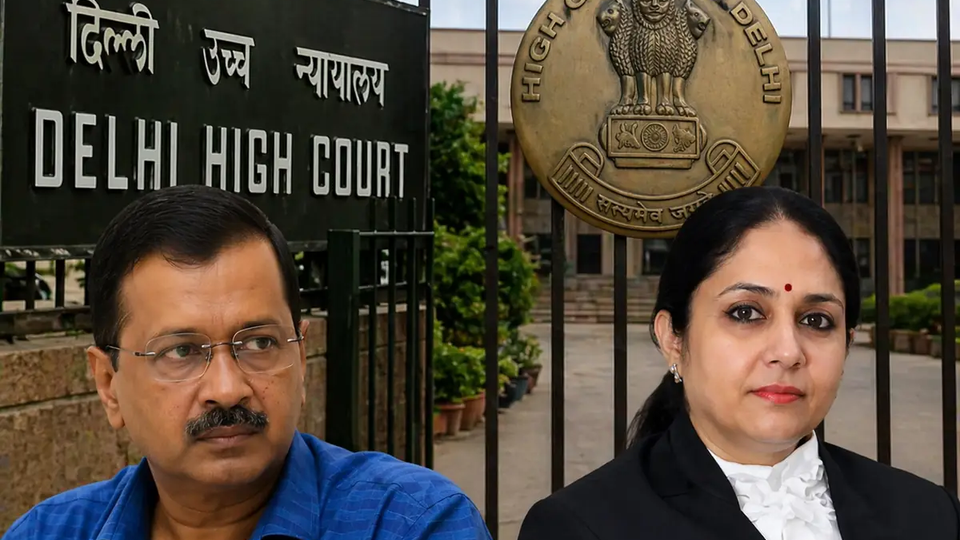
A Public Interest Litigation (PIL) titled VAIBHAV SINGH v. DELHI HIGH COURT & ORS has been filed before the Delhi High Court seeking contempt of court action against Arvind Kejriwal, several leaders of the Aam Aadmi Party (AAP), Congress leader Digvijay Singh, and journalist Ravish Kumar for allegedly publishing and circulating unauthorized video recordings of court proceedings.
Background of the Case
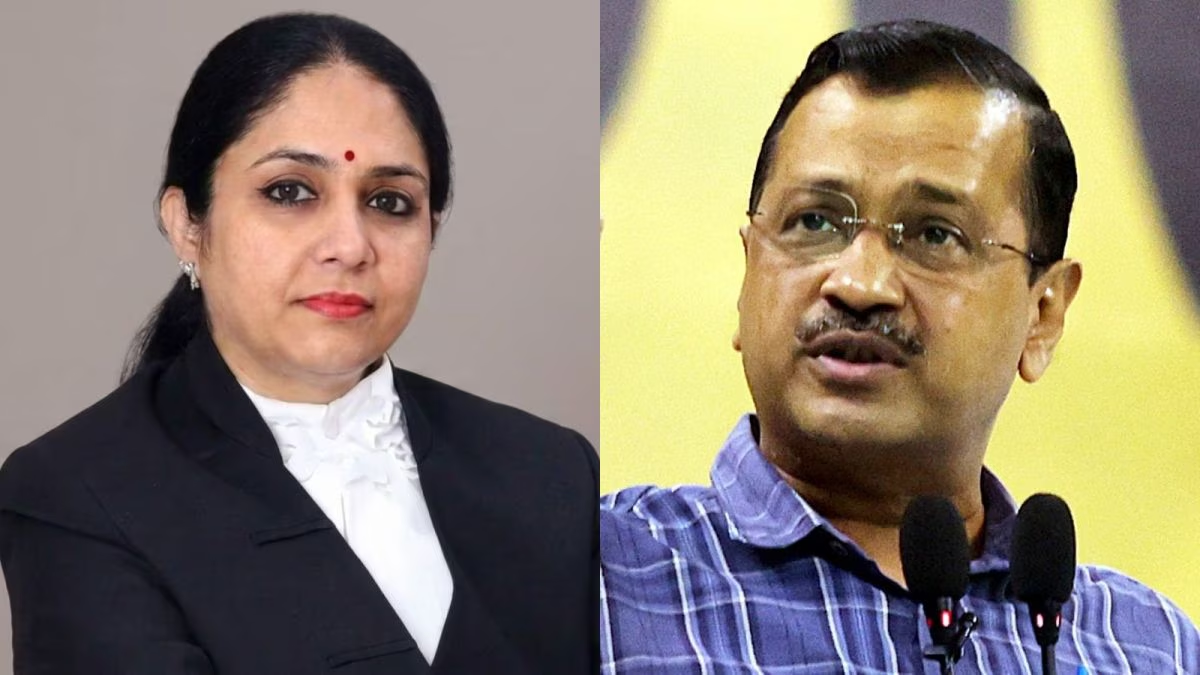
The controversy stems from a hearing conducted on April 13, 2026, before Justice Swarana Kanta Sharma in connection with the excise policy case. During the proceedings, Kejriwal appeared in person and argued a plea seeking the judge’s recusal. Shortly thereafter, video clips of the courtroom exchange surfaced and spread widely across social media platforms such as X, Facebook, Instagram, and YouTube.
The petitioner, Advocate Vaibhav Singh, has objected to the recording and dissemination of these proceedings, alleging that they were carried out without judicial authorization and were intended to influence public perception of the judiciary.
Table of Contents
Hearing Before the Division Bench
The matter is likely to be heard on April 22, 2026, by a Division Bench comprising Chief Justice Devendra Kumar Upadhyaya and Justice Tejas Karia.
Allegations in the PIL
The petition raises serious concerns regarding the alleged deliberate attempt to malign the judiciary and mislead the public. It states:
“That several leader of Aam Aadmi Party including members of various other opposition parties have intentionally and deliberately and with the wilful intention to malign the image of this Hon’ble Court and to manipulate/misguide and also to make negative image of this institutions nationally and globally and also in eyes of general public living in India and outside India the court proceedings had done the video and audio recording of the court proceedings and circulated on various social media platforms.”
Further, the plea alleges a coordinated conspiracy behind the viral circulation of the clips:
“The circumstances in which the audio/video recording of the Court Proceedings was done and shared, retweeted and posted by various political leaders and the way it went viral smells deep conspiracy by Mr. Arvind Kejriwal and various leaders of Aam Admi Party to malign the image of this noble institution and also to mislead the common people of this nation and also to show the general public that the judiciary is working on the behest of some political parties and also under the pressure of the Central Government,”
Additionally, the petition claims that Kejriwal made:
“various frivolous, scandalous and misleading submissions before the Hon’ble Court without any basis against this Temple of Justice and also against the Noble Court of Justice Ms Swarana Kanta Sharma”.
Reliefs Sought
The PIL seeks multiple directions from the Court, including:
- Immediate removal of the videos from social media platforms
- Restraining political leaders from further sharing such content
- Formation of a Special Investigation Team (SIT) to probe the alleged conspiracy
- Directions to platforms like Meta, Google LLC, and X Corp to prevent re-uploading of such content
Legal Framework and Rules Invoked
The plea relies on the Electronic Evidence and Video Conferencing Rules, 2025, which explicitly prohibit unauthorized recording or publication of court proceedings. The petition emphasizes:
“Unless expressly permitted by Court, no person… shall record or publish the proceedings… There shall be no unauthorized recording,”
The petitioner argues that such unauthorized dissemination not only violates procedural rules but also risks distorting courtroom exchanges through selective editing, thereby impacting judicial integrity, fairness, and public trust.
Prior Developments
It is noteworthy that the High Court administration had earlier written to the Delhi Police seeking action against unauthorized recordings. Advocate Singh had also filed a complaint with the Registrar General on April 15, 2026.
Meanwhile, Justice Sharma had recently dismissed Kejriwal’s recusal plea, observing that the professional engagements of her children as central government panel counsel cannot be grounds to presume bias. The Court also noted that a politician cannot be permitted to judge judicial competence.
Conclusion
The PIL underscores broader concerns about the misuse of digital platforms in disseminating sensitive judicial proceedings. As the matter comes up for hearing, it is expected to address critical questions surrounding contempt of court, judicial transparency, and the limits of public discourse involving court proceedings.