
3-Years Practice Rule Won’t Deter Women, Says Justice BV Nagarathna
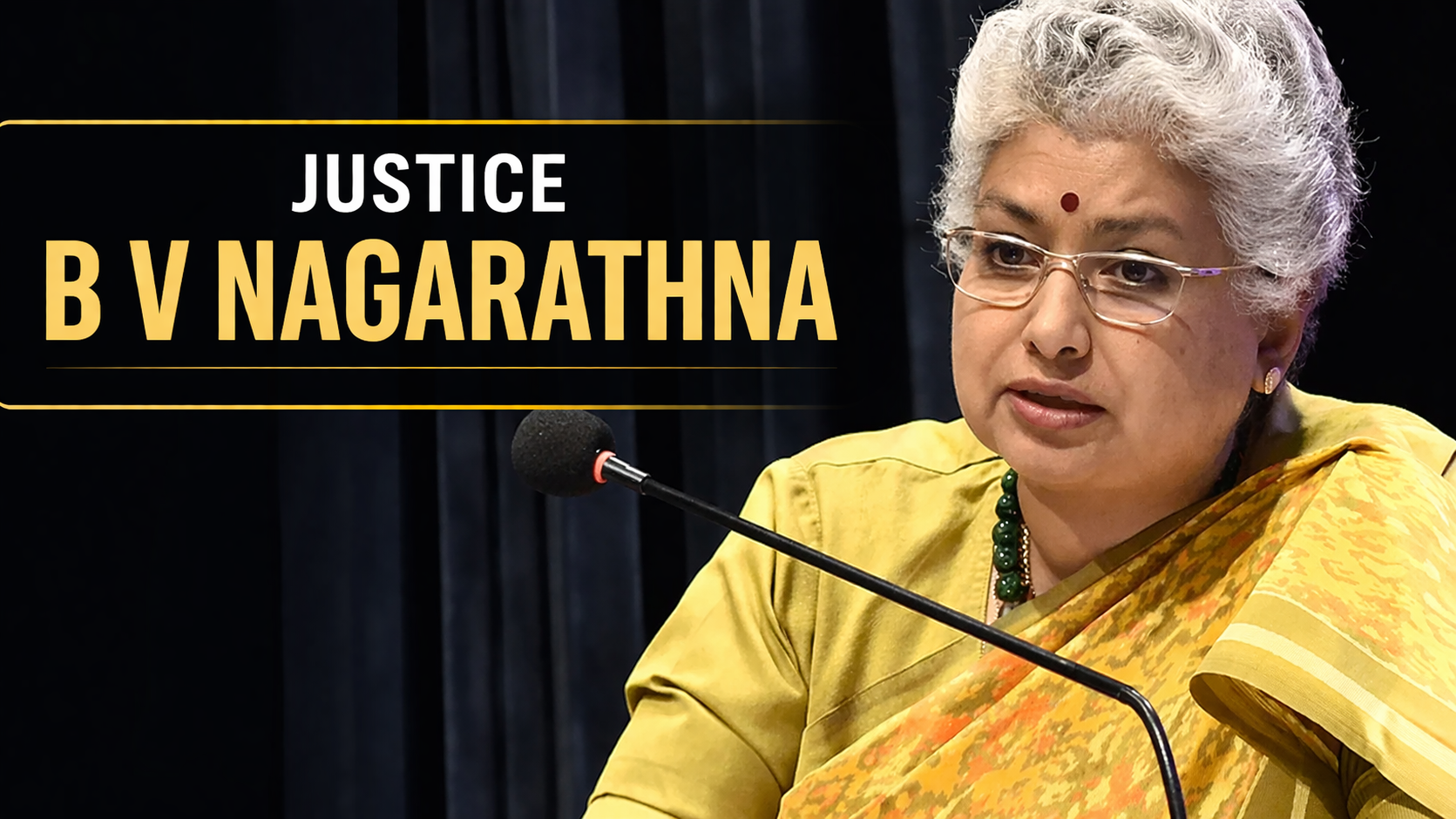
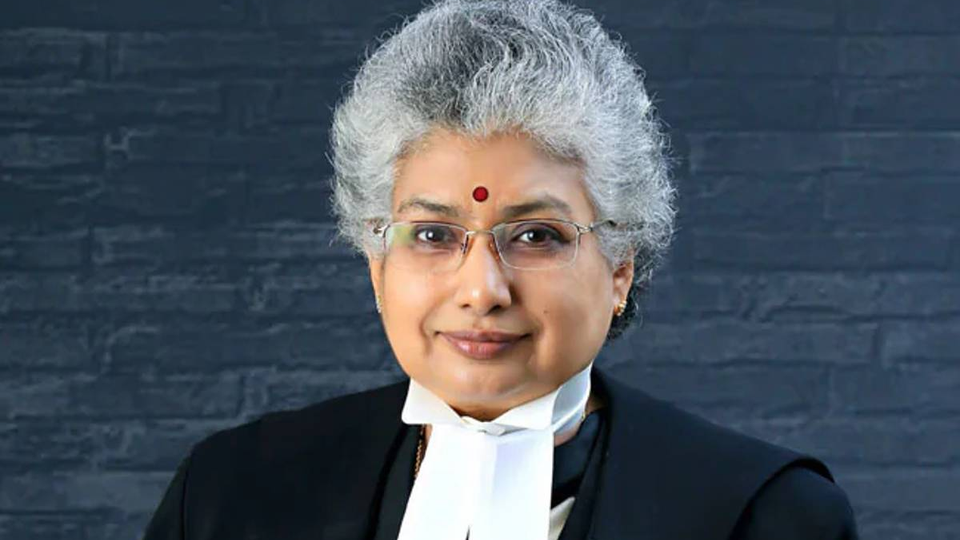
Patna, April 5–6, 2026: Justice B.V. Nagarathna of the Supreme Court of India has strongly defended the requirement of a minimum 3 years Practice Rule of legal practice for entry into judicial services, asserting that practical courtroom experience is indispensable for becoming a competent judge.
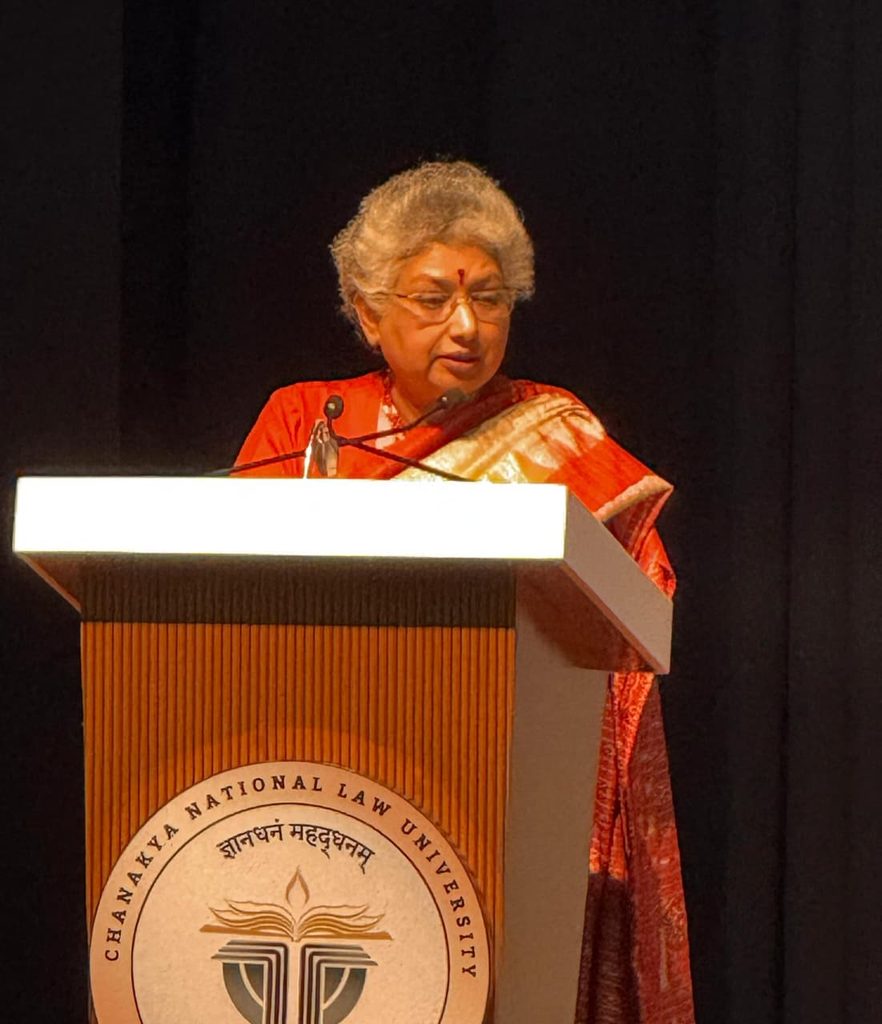
She made these remarks while responding to audience queries after delivering a lecture at Chanakya National Law University. The discussion arose after Vice-Chancellor Faizan Mustafa expressed concerns that the rule may discourage women aspirants.
3-Year Practice Rule and Judicial Competence
Rejecting the apprehension, Justice B.V. Nagarathna emphasized that experience at the Bar equips aspiring judges with essential advocacy skills and maturity.
“I disagree with you Sir. Next year, I will be completing 40 years in the Bar. I have so many things to learn. If students who come from the bench of the classroom to the bench of the Court hall, they are losing out on experience- please don’t think losing three years is a loss of life. I am learning still at 40…If the student is not able to stand before a judge and make an argument, seeking a relief, how will you, as a judge, grant relief? Don’t think the three year of life is lost. That is a very negative attitude you have.”
She further stressed that even three years may not be sufficient:
“The 3-years Practice Rule is not sufficient, according to me. However, the Supreme Court has said three years. If a case is dismissed for default, what will you do? You will go and give your personal affidavit as a lawyer and seek restoration because a litigant has suffered because you have not appeared. If you have not done that as a lawyer, how will you grant relief as a judge?… If you have not been in the Bar, how will you face the advocates in the Court? You will not be successful. You will start crying on the bench, that will add a very negative aspect to your personality. Unless you get into the water, you can’t swim.”
She advised aspiring judges to gain deeper practical exposure:
“Unless you know the tactics and strategy of a lawyer, you can’t be a successful judge. If you want to be a successful judge, practice for more than 3 years under the Practice Rule, and then write the exam. This is my advice,”
Table of Contents
Maturity and Judicial Responsibility
Highlighting the need for maturity in adjudication, Justice B.V. Nagarathna observed:
“A District Judge can give a death penalty but imagine if we appoint somebody who is 30 years with lack of experience and he starts giving death penalty in all POCSO cases because there is a death penalty provided and so many references in the High Court, what happens to our judicial system? All this is in order to save our judicial system in the country, that we want maturity in our judges. Maturity comes with experience.”
She also noted an informal expectation that High Court judges are typically around 45 years of age, reflecting the importance of experience in handling complex legal issues.
“Master of the Roster” and Judicial Independence
Clarifying the scope of the “Master of the Roster” principle, Justice B.V. Nagarathna stated that the Chief Justice’s role is limited to assigning cases.
“Chief Justice, whether of the High Court or the Supreme Court is the Master of the Roster. Nothing more can be said about it. Once he assigns the case to a particular judge, so many cases go up in terms of subject roster. There are some cases where matters are assigned depending on the wisdom of the hon’ble CJ, whether of the High Court or the Supreme Court. Thereafter, he has no say in the matter. It is for that particular bench to decide.”
She added:
“Did anybody predict I would dissent in so many cases?”
Emphasizing judicial independence, she noted that outcomes ultimately depend on the conviction and courage of the judge hearing the matter.
Women in Legal Profession: Challenges and Representation
Justice B.V. Nagarathna addressed the issue of gender disparity in the legal field, attributing it to societal responsibilities:
“The reason is, the dual role the woman has to play. If she takes up a career in law, she also has her household to look after.”
Reflecting on her own journey, she said:
“When it comes to a successful man, there is always a woman. When it comes to a successful woman, there is a family behind a successful woman. Why do I say a successful family? Because her responsibility in the household is taken over by the members of her family and as a result she can devotee more time to her career and profession.”
Calling for structural reforms, she urged governments to ensure at least 30% representation of women as government law officers:
“If they are given an opportunity, they will continue to remain in the profession come what may. Their visibility in the profession would be greater, and then the Chief Justice will say, yes yes she has been appearing in my Court and she does well, why not consider her for the bench. It is because of this dual responsibility of a woman lawyer and many a times she has to drop out of the profession mid-way or after her pregnancy and having a child, she can’t return to the profession because of insufficient number of cases to attend to and having this entire responsibility on her. There are many women who do not ultimately continue in the profession for long.”
She concluded on a positive note:
“I am very optimistic and I have a very positive outlook about it.”
Conclusion
Justice B.V. Nagarathna‘s remarks highlight the constitutional and institutional rationale behind requiring prior legal practice for judicial appointments. While addressing gender concerns, she emphasized that experience, maturity, and structural support for women are essential to strengthening the justice delivery system.
LATEST POSTS:-